The Best Aquarium for Red-Eared Slider Turtles
A well-equipped aquarium for a turtle increases the life expectancy of a pet and provides it with comfortable living conditions. If the volume or elements of the internal arrangement of the home are chosen incorrectly, reptiles get sick and die.
Contents
Choosing the size and volume of the aquarium
There are both land and aquatic turtles. The most common breed is the red-eared one. Any type of reptile is kept in an aquarium, which is a rectangular or square container of small height.
The size of the dwelling depends on the size and number of animals. Its length should be 4-5 times the diameter of the reptile’s shell. Recommended wall height is 45 cm.
Habitat parameters depend on the breed of animal:
- The land turtle is constantly moving, so choose a terrarium that does not limit the pet. To keep 1 individual, a container measuring 60x50x50 cm is required. The length of the aquarium for 2 turtles is 100-120 cm.
- The size of an aquarium for aquatic reptiles is also selected taking into account the diameter of their shell. For a turtle with a small shell, a 50-liter container is sufficient. For a comfortable stay for an animal measuring 15-20 cm, 100-120 liters of water will be required. When keeping 2 turtles, an aquarium with a volume of 200 liters is made.
- For a red-eared reptile up to 10 cm in size, a 40 liter terrarium is required. If the diameter of the shell is 10-20 cm, the volume of the dwelling is increased to 80 liters. To keep 2 animals you will need an aquarium with a capacity of 150 liters.
.jpg "Aquarium for red-eared turtles")
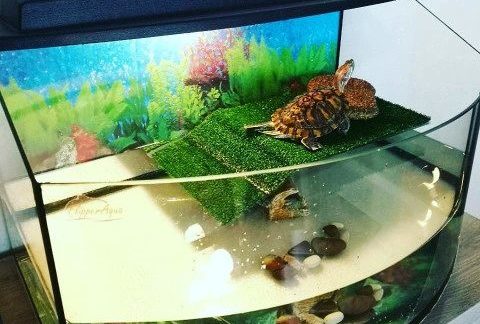
The housing for the aquatic turtle is made rectangular. Animals swim horizontally rather than vertically. For land breeds, a square container is also suitable.
Homemade terrarium for a red-eared turtle
You can make an aquarium for reptiles with your own hands. The assembly process does not require the use of complex devices and technologies.
Required materials
To make an aquarium you will need sheets of glass of the required size. You can cut parts in a workshop or at home. The cuts are made even, otherwise the seal of the container is broken. The thickness of the glass walls must be at least 6 mm.
During the assembly process you will need the following materials and devices:
It is worth paying attention to preparing the workplace. A large table or free space on the floor will do. After assembly, the aquarium should not be touched for 3-5 days.
-e1611230762954.jpg "DIY aquarium for a red-eared turtle") When working with glass, use protective gloves and a respirator.
When working with glass, use protective gloves and a respirator.
Construction adhesive should not contain toxic components that penetrate into water.
Preference is given to silicone compounds.
Assembling the container
When making a terrarium for a red-eared turtle with your own hands, perform the following steps:
- Process the sections of glass sheets with sandpaper. When grinding, glass particles rise into the air, so you need to wear a mask when working.
- Place adhesive tape on the side wall so that the strip extends over the edge. The next part is placed on the sticky side of the tape. Both parts are installed at right angles with tape inward.
- Using adhesive tape, assemble all sides of the terrarium. The glass sheets are pressed tightly against each other. The sides are aligned parallel.
- Degrease the joints with alcohol and coat them twice with sealant. Each layer is leveled. To prevent glue from getting on the glass, areas adjacent to the joint are covered with masking tape. The sealant should completely fill the joints. Better connections are obtained when using a special gun.
- Install the bottom, securing it with drops of sealant. After checking the evenness, treat the joints with silicone.
- Leave the aquarium until the glue dries, then carefully turn it over. Remove the tape, erasing traces of glue. Treat all seams with a second layer of sealant and allow the composition to dry.
Checking the quality of work
After the joints have hardened, the container is filled with water and left for 2-3 days. If leaks are detected, the seams are treated with another layer of silicone.
A large-volume terrarium is reinforced with stiffening ribs. To do this, install horizontal plastic strips 4 cm wide in the corners. Glue is used for fastening.
Photos of homemade products
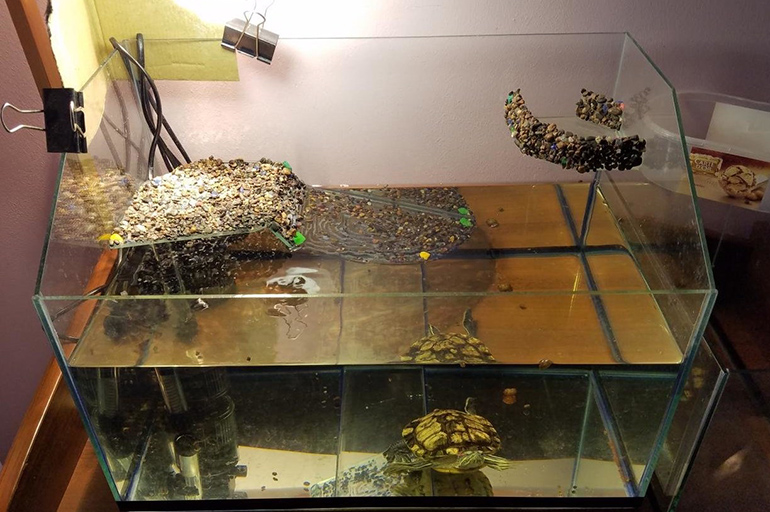
A homemade aquaterrarium for turtles is not much different from one bought in a store. You can see what these homemade products look like in the photo.
.jpg "Homemade aquariums")
.jpg "DIY turtle aquarium")
.jpg "Terrarium for red-eared turtles")
.jpg "DIY aquaterrarium for a red-eared turtle")
.jpg "Terrarium for aquatic turtles")
Interior arrangement of the aquarium
After making the container, it is supplied with all the elements necessary for a comfortable living for the reptile.
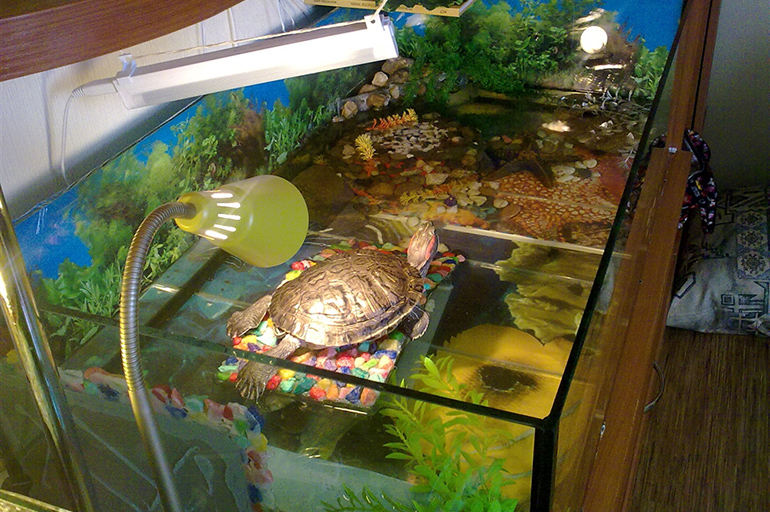
Lighting and heating systems
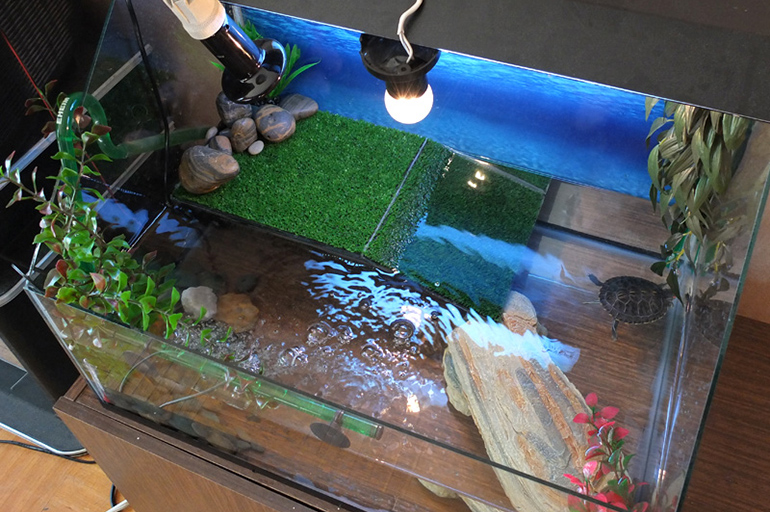 Warming up the turtle’s body helps produce vitamin D3, which is necessary for shell growth.
Instead of sunbathing, terrariums use ultraviolet radiation and incandescent lamps.
The latter are classic and halogen. The second type is considered more effective due to the high temperature of the coil.
The power of a classic lamp is 40-60 W. The turtle shell requires heating to 30 °C, so the distance between the island and the light source is calculated empirically.
Aquariums are equipped with lamps with built-in or external reflectors. The beam opening angle should cover the entire surface of the animal’s shell.
When installing lighting fixtures, consider the following points:
- When splashes hit the flask, the glass breaks. Incandescent lamps last no more than 1000 hours. It is recommended to replace standard lighting fixtures with ceramic ones that do not have these disadvantages.
- The terrarium must have areas inaccessible to radiation.
- When installing ultraviolet lamps, take into account the recommended wavelength of 280-315 nm. The recommended illumination level is 7-9 thousand lux.
- LEDs are used as an ultraviolet source. They are characterized by a long service life and high energy efficiency.
- Lighting devices should work 8-10 hours a day.
Filtration and ventilation
.jpg "Aqua terrarium for red-eared turtle") The health of a pet depends on the cleanliness of the environment in which it lives. Therefore, when setting up a turtle aquarium, filters are installed.
The health of a pet depends on the cleanliness of the environment in which it lives. Therefore, when setting up a turtle aquarium, filters are installed.
The devices keep the water clean, allowing you to change it less often.
Aquariums for turtles are equipped with external filtration systems. Internal devices quickly become dirty and fail.
For normal life, an aquatic turtle needs air. Small aquariums are naturally ventilated. If the amount of water exceeds 800 l, a blowdown or exhaust device must be installed.
In hot weather, forced ventilation helps maintain a comfortable water temperature.
Chemical composition and amount of water
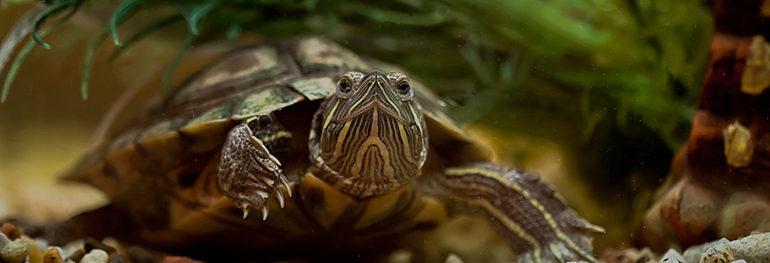
The volume of liquid in the aquarium depends on the size of the animal. The water level is chosen so that it allows the turtle to easily roll over. If the diameter of the shell is 10 cm, the depth of the pool is 15 cm.
The aquarium is filled with tap water, standing for 5 days. Do not pour the liquid straight away: the chlorine it contains causes allergic reactions.
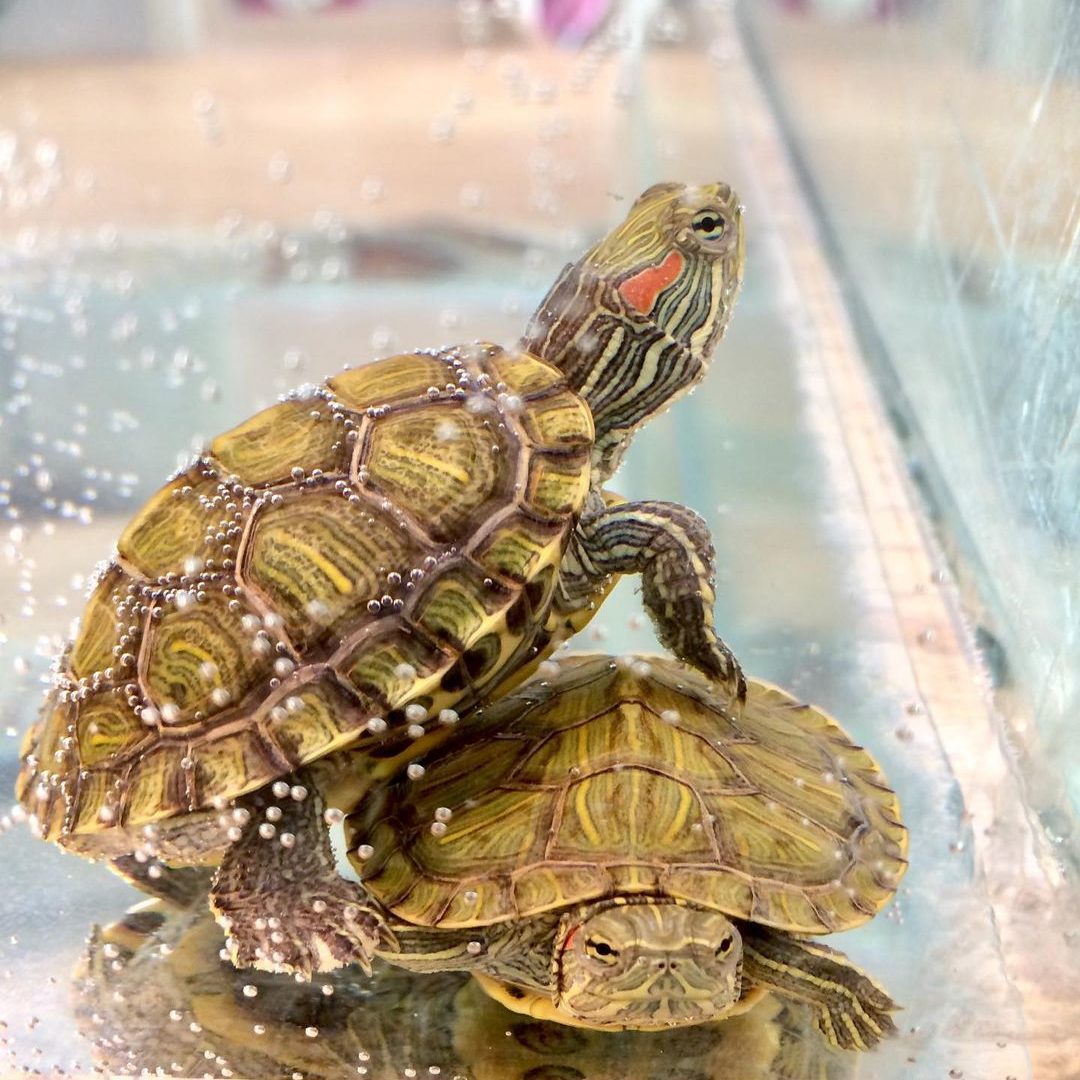
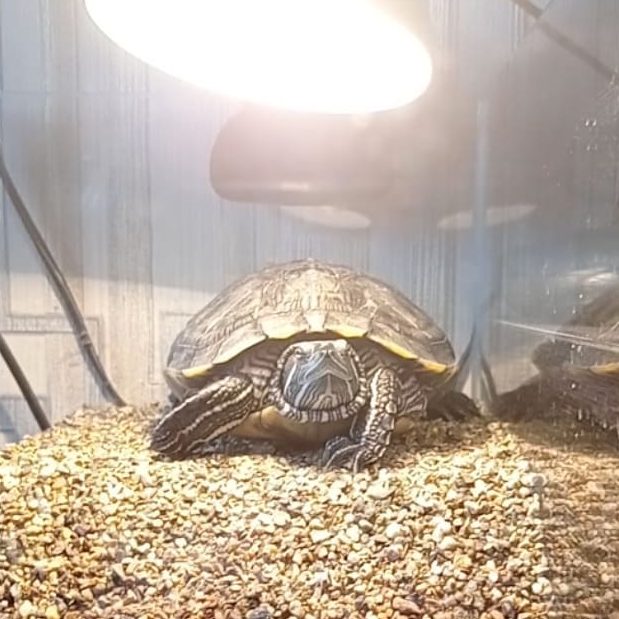
Water must have the following qualities:
- acidity within 6-8;
- any hardness (however, liquid with a high concentration of carbonate is considered more beneficial for the turtle);
- temperature +26…+30 °C (as this indicator decreases, the reptile becomes less mobile and refuses food).
sushi island
The presence of an area deprived of water is mandatory. The red-eared turtle spends most of the day in the pool, but needs dry land to warm up and rest.
.jpg "Aquarium for aquatic turtles")
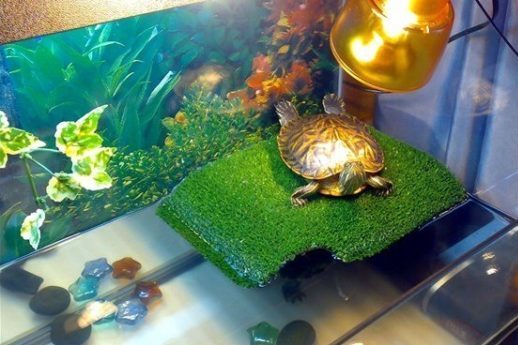
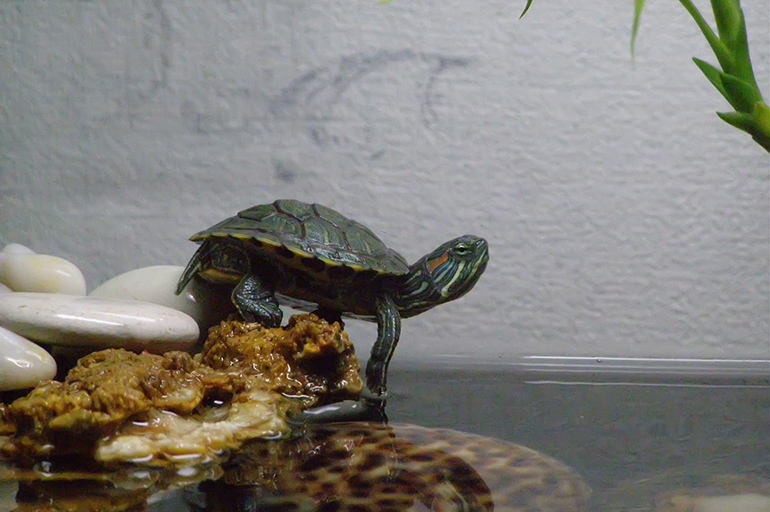
When arranging an island, the following nuances are taken into account:
- Make sure that the surface of the land is not slippery.
- It is desirable that its size is 3-4 times larger than the diameter of the reptile’s shell (if there are several individuals, leave 2 turtle dimensions for each pet).
- Provides shaded and illuminated areas.
- The land is located above the water level.
- The beach is secured so that it can support the weight of the reptile.
- When making the shore, no materials that emit toxic substances are used.
If you don’t have time to assemble an island at home, you can equip the terrarium with a ready-made element.
Soil and decoration of the aquarium
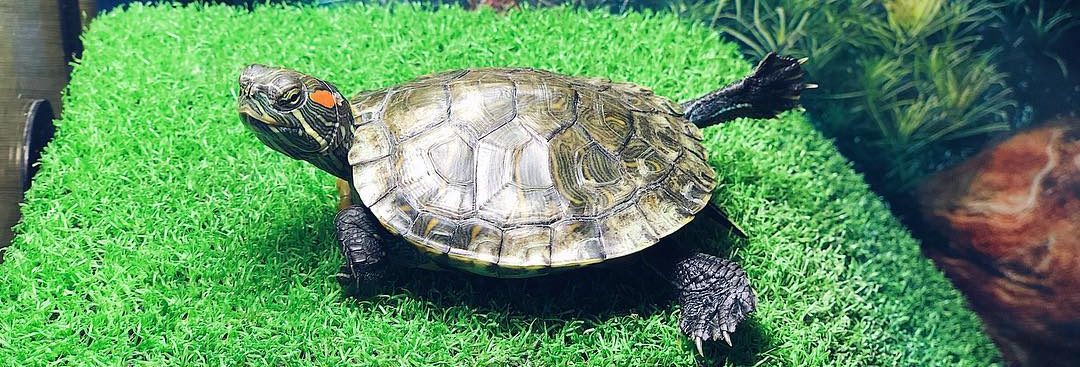
Decorating an aquarium for a red-eared slider is a process in which the pet owner can show his creativity.
However, when decorating, follow the rules to help create comfortable conditions for the reptile:
- To decorate the aquaterrarium, use products made from safe materials. It is not recommended to install plastic decorative elements. The same goes for objects with sharp edges. Stones, grottoes, and driftwood help give the aquarium an attractive appearance.
- To decorate the bottom, medium fraction soil is used. Turtles can eat shallow substrate. In addition, such soil quickly becomes contaminated and is difficult to clean.
Aquatic vegetation
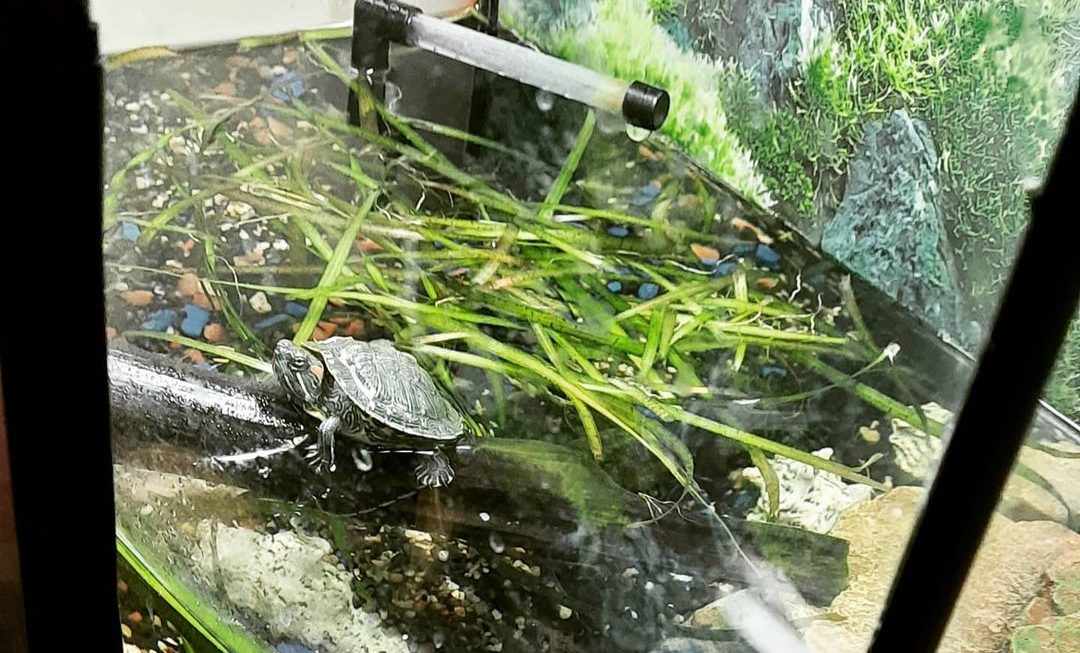 Live plants are placed in aquariums with young turtles.
Adults eat algae, so artificial decorative elements are installed in the aquarium with them.
Sexually mature reptiles do not require soil or plants.
Briefly about the conditions of keeping red-eared turtles
The animal lives a long time and remains healthy only with appropriate care and proper nutrition.
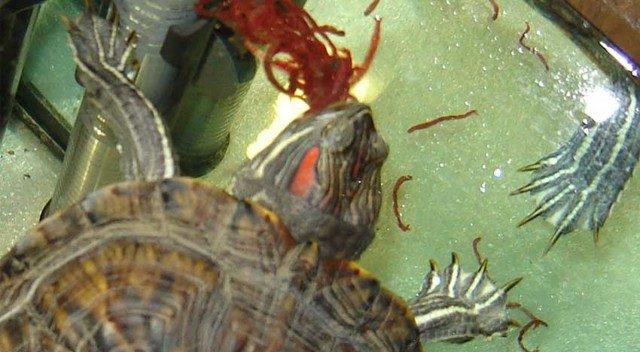
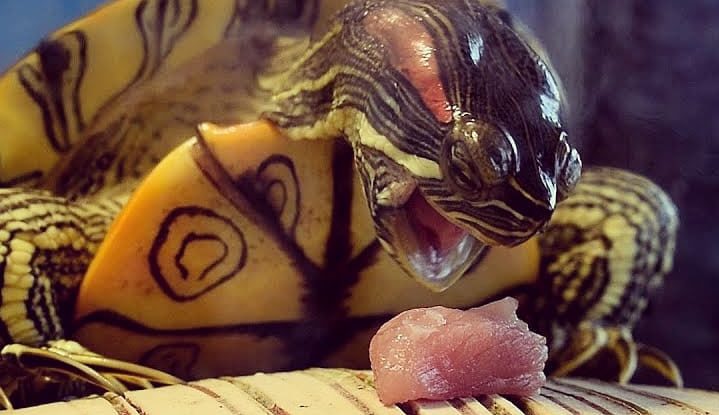
Meat is used to feed turtles under 3 years of age. After puberty, half of the diet consists of plant foods.
You can feed your reptile:
- beef, poultry, offal;
- insects (worms, cockroaches without legs, grasshoppers);
- aquarium snails;
- sea fish, seafood;
- aquarium or indoor plants (except for poisonous ones);
- beet or carrot tops, nettles;
- vegetables, berries, fruits;
- pumpkin or sunflower seeds.
What not to use
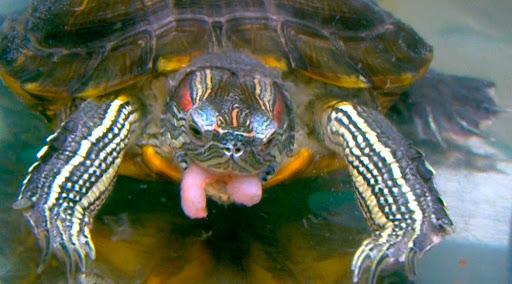
It is not recommended to feed the turtle peas, cabbage and spinach, which interfere with the absorption of calcium. It is undesirable to introduce tomatoes into the diet, which disrupt phosphorus metabolism. Nuts and berry seeds negatively affect the functioning of the digestive system.
Sour fruits contribute to stomach ulcers. A plastic bowl decorated with palm trees, which may be called a “turtle bowl,” should not be used to keep the animal.
Aquarium location
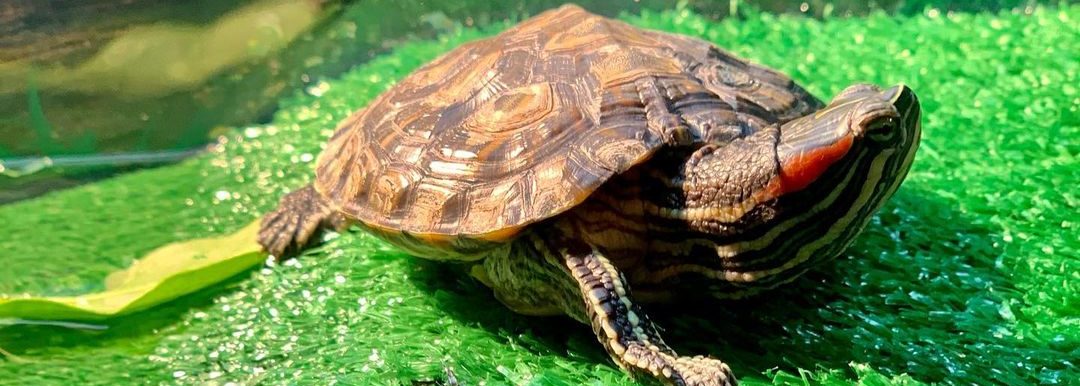
It is recommended to place the aquaterrarium in places located away from household appliances and heat sources. The equipment near or inside the container is placed so that the pet cannot reach the electrical wires and bite them.
Cohabitation of reptiles with other creatures
The red-eared turtle is a predatory animal, so living in the same aquarium with fish is impossible.
The reptile first eats small individuals, after which it moves on to larger ones. The aquatic turtle does not get along well with snails.
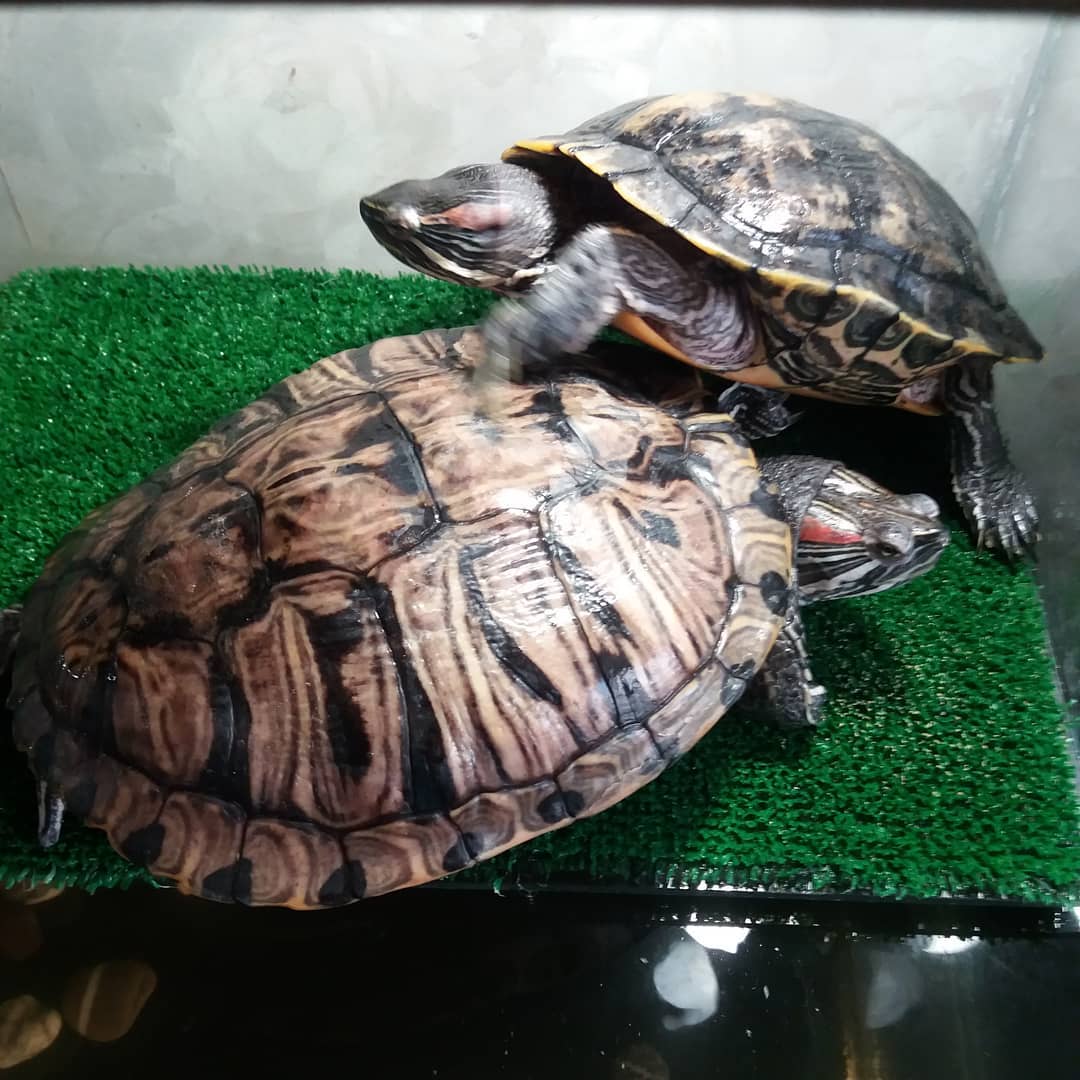
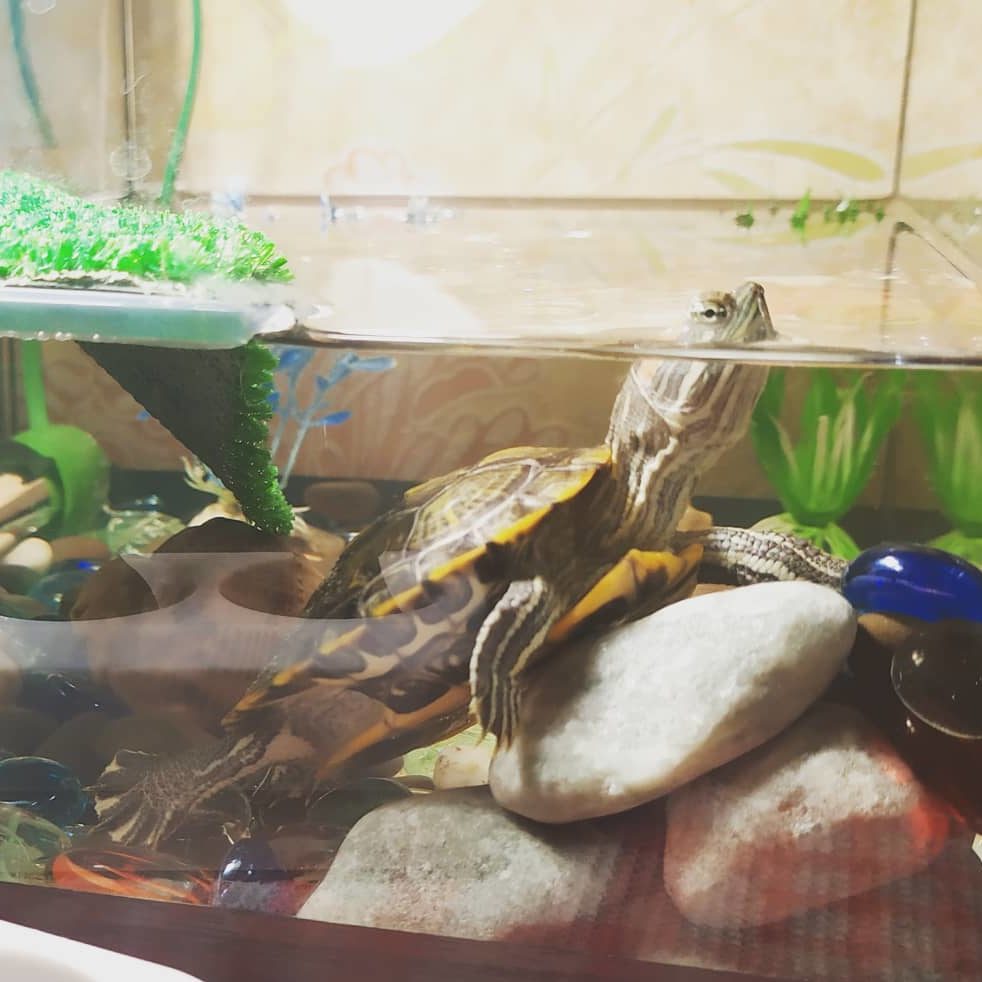
She easily chews their shells, eating the contents. It is not recommended for males of the same species to live together. However, they are able to get along with the female. The turtle does not need company: its favorite pastime is searching for food.
Should turtles stay in the aquarium overnight?
Reptiles can spend the night in water, but they do not swim deep. The turtle can be left overnight in the aquarium if it is equipped with an island and a water heater.
If maintaining the desired water temperature is impossible, the pet is transferred to a box with a lamp or heating pad.
Other recommendations
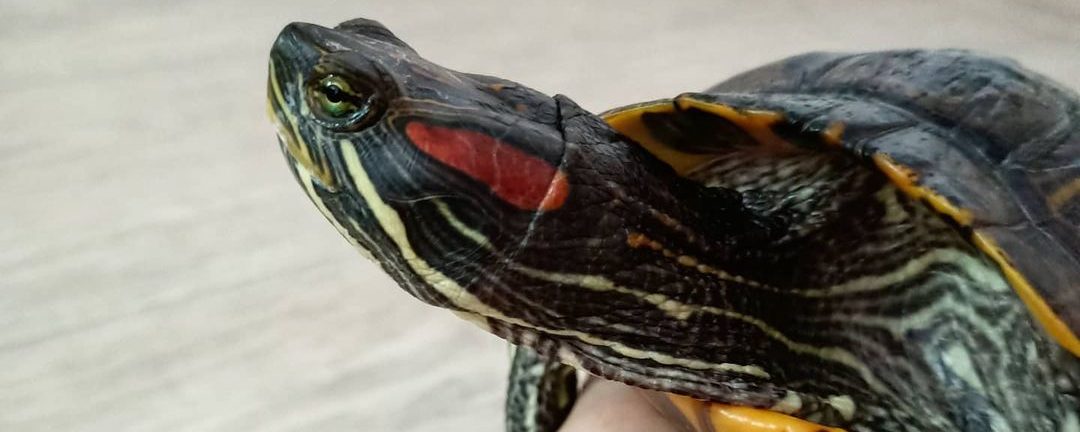
When keeping a red-eared turtle, observe the following rules:
- The pet should be fed in a separate container filled with warm water. The reptile does not secrete saliva, so it feeds on moistened food. The animal scatters food and leaves uneaten pieces, so jigging prevents contamination of the aquarium.
- You cannot overfeed the animal. Meals should not last more than 30 minutes.
- It is necessary to clean the aquarium regularly. Water pollution from human waste causes skin diseases.
- Do not give your turtle refrigerated or frozen food. This leads to the development of a cold.
- It is forbidden to feed an animal from a container from which a person eats. The red-eared turtle carries salmonellosis. Personal hygiene rules should also be observed when cleaning the aquarium.
- Once a week the turtle is released from the aquarium. Walking prevents the development of obesity. You can walk with the animal outside, but you need to protect the reptile from contact with cats and dogs.
Do not pick up small turtles. An unformed shell is unable to protect the animal’s internal organs from damage, so falls often lead to the death of pets.
Previous

Spelling error report
The following text will be sent to our editors: