The Most Unusual Aquarium Inhabitants
Home aquarium pets are not limited to fish and snails. Today you can become the owner of a small octopus, a newt, or even a water dragon. For your new pet to bring you joy, it is essential to first familiarize yourself with its care requirements.
Contents
Axolotl (water dragon)
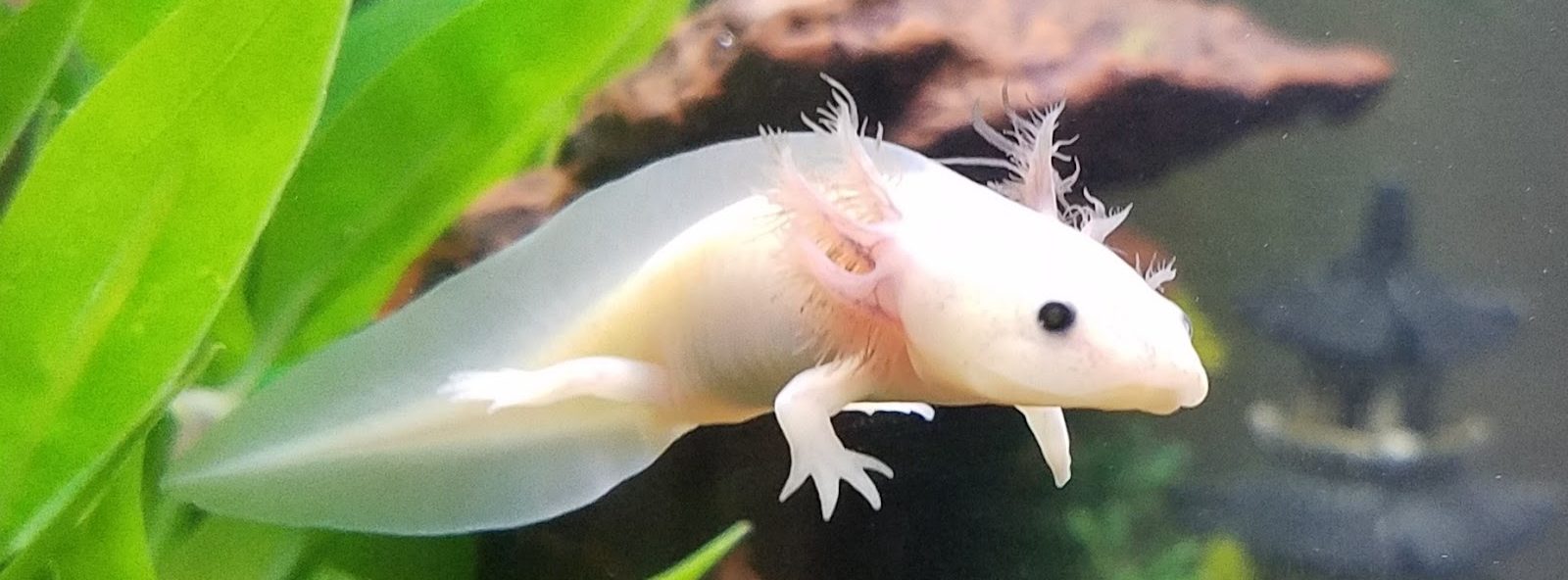
Axolotls are among the most interesting animals you can keep in an aquarium. They reach only 15 cm in length, and in rare cases up to 30 cm. In appearance, they somewhat resemble salamander larvae due to their distinctive external gills and caudal fin. The water dragon has a wide, flattened head, no eyelids, and small teeth. Its limbs are poorly developed.
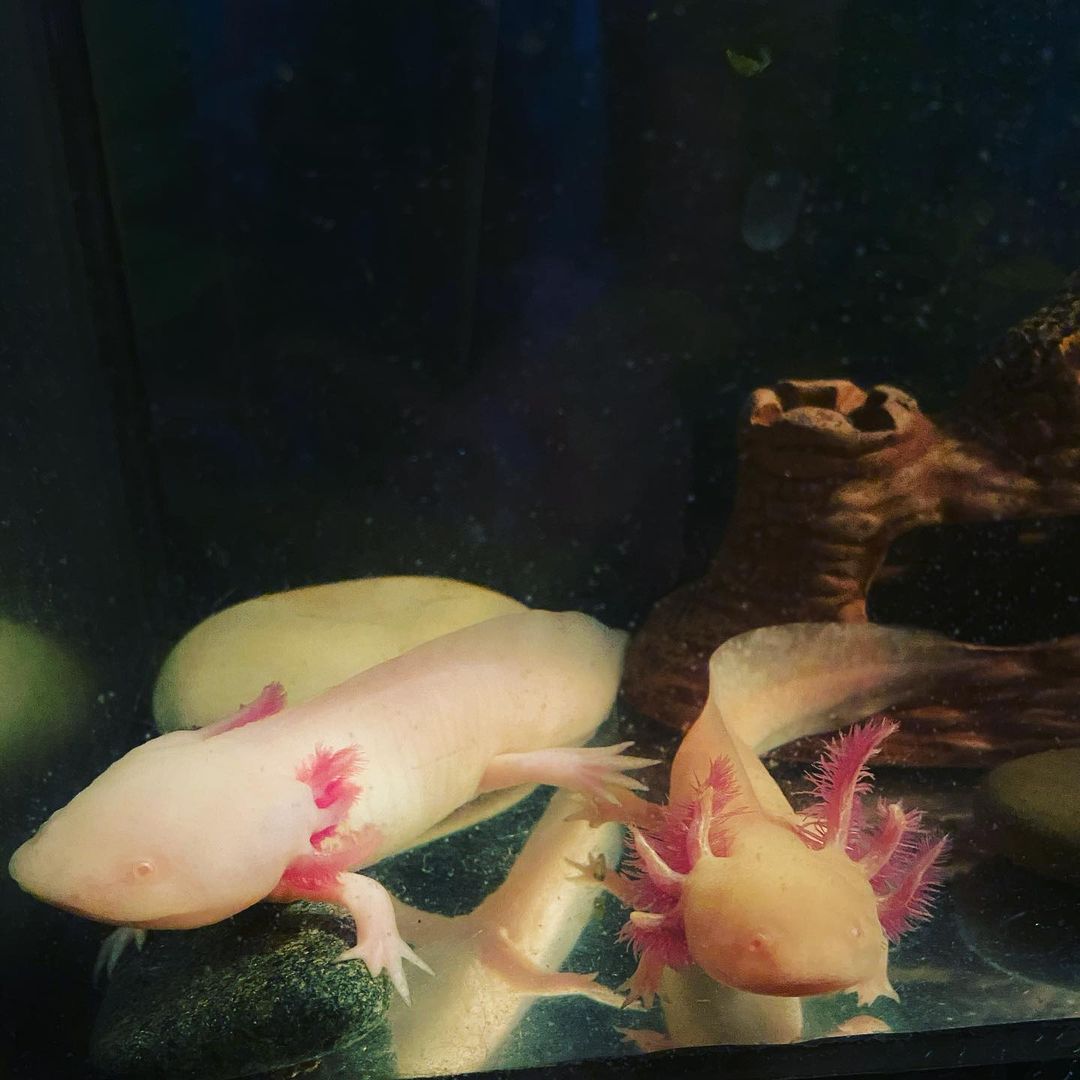
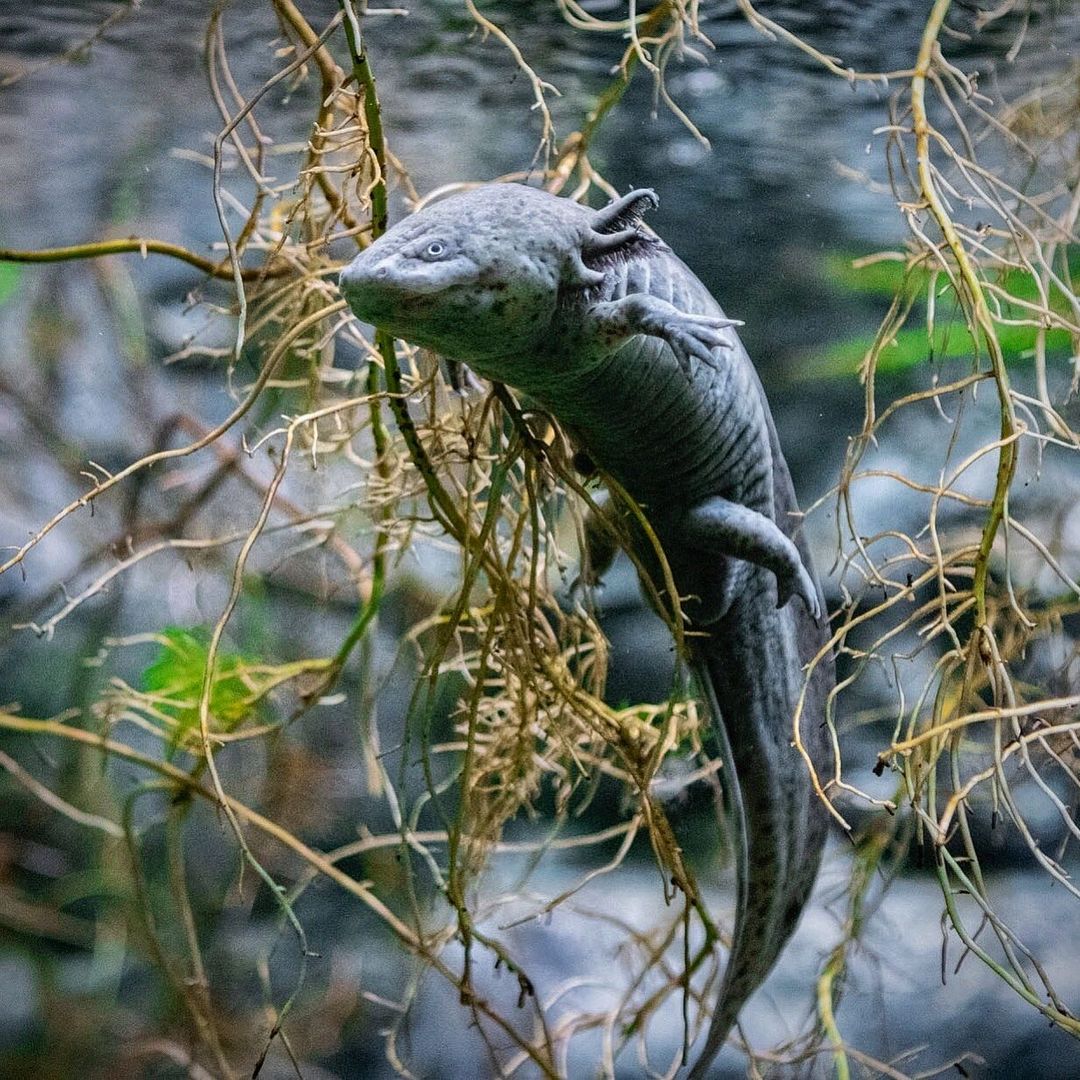
Water dragons come in four color variants: two natural shades and two bred varieties. The natural colors are spotted brown and black. The bred varieties are pale pink and golden.
In the wild, the axolotl feeds on insects, small fish, and worms. In captivity, its diet can consist of trout pellets, bloodworms, and live or thawed earthworms. Water dragons also enjoy small shrimp and beef liver.
Axolotls locate food by smell. Once they have found it, they suck it in with considerable force. Do not keep other animals in the same tank as a water dragon: smaller tankmates may be eaten, and larger fish can cause harm — they often nibble at the axolotl's gill stalks and appendages while it sleeps, which can lead to infection.
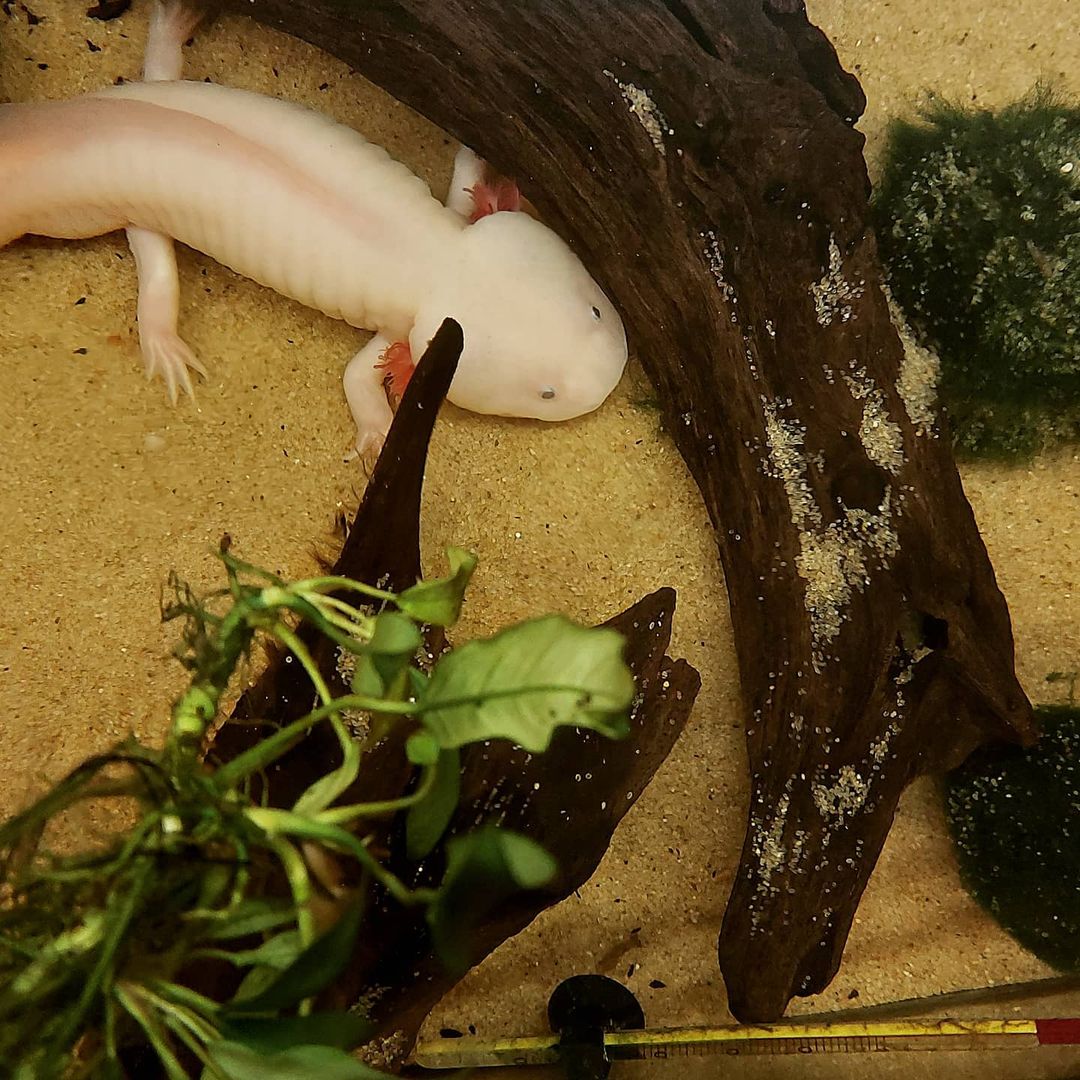
The water dragon thrives at temperatures of +14 to +20 °C. If the animal falls ill, the temperature should be lowered to +10 °C to prevent an increase in appetite. To maintain the right microclimate in the tank, a dedicated chiller, a filter, and a dechlorinator are recommended.
A single specimen requires a tank of at least 50 liters with a water depth of 150 mm. The use of an air stone is acceptable. Twenty percent of the water should be changed weekly. Avoid lining the bottom with fine gravel, as axolotls may swallow the stones.
The aquarium should contain floating plants, which the pet will use as shelter, along with small caves. Strong lighting is unnecessary, since the water dragon is a nocturnal animal.
Keeping newts at home
Newts are a group of tailed amphibians with many species and subspecies. Only a few of them are suitable for home keeping.
Lissotriton vulgaris (the smooth newt)
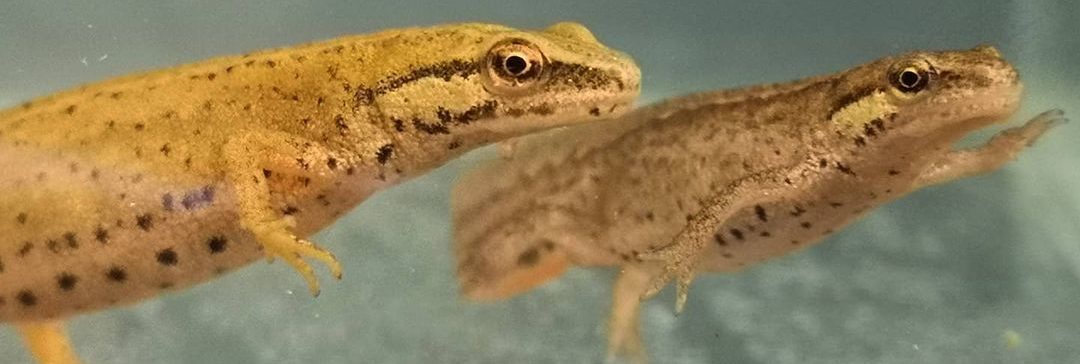
The smooth newt grows to just 7–11 cm in length. Females are slightly smaller than males. Body color ranges from greenish to brown, with a yellowish or light-orange belly. During the breeding season, males develop a crest.
For comfortable living, a newt needs an aquarium of at least 15 liters. Inside, one or more islands must be provided, as the animal periodically comes out onto land. Water temperature may range from +18 to +22 °C. During the hibernation period it is lowered to +5 to +8 °C.
The substrate must be coarse-grained so the newt cannot swallow individual particles. To maintain the nitrogen cycle, live plants should be added to the terrarium. Dense vegetation also creates the conditions needed for breeding: the female lays her eggs in it and folds the leaves around them to provide reliable protection for her offspring.
Fifteen to thirty percent of the water should be changed weekly. A filter is essential — one that circulates the entire tank volume 6–10 times per hour.
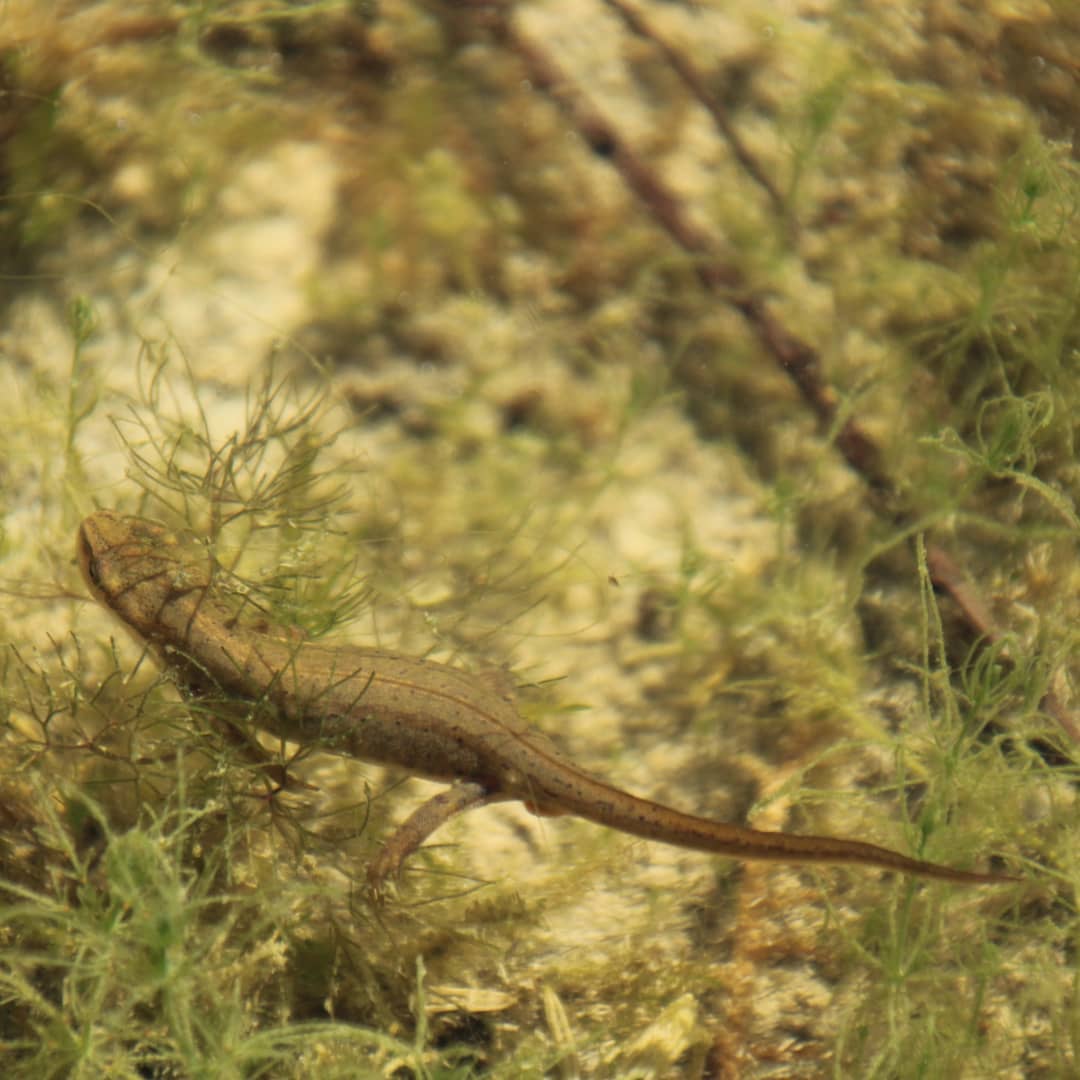
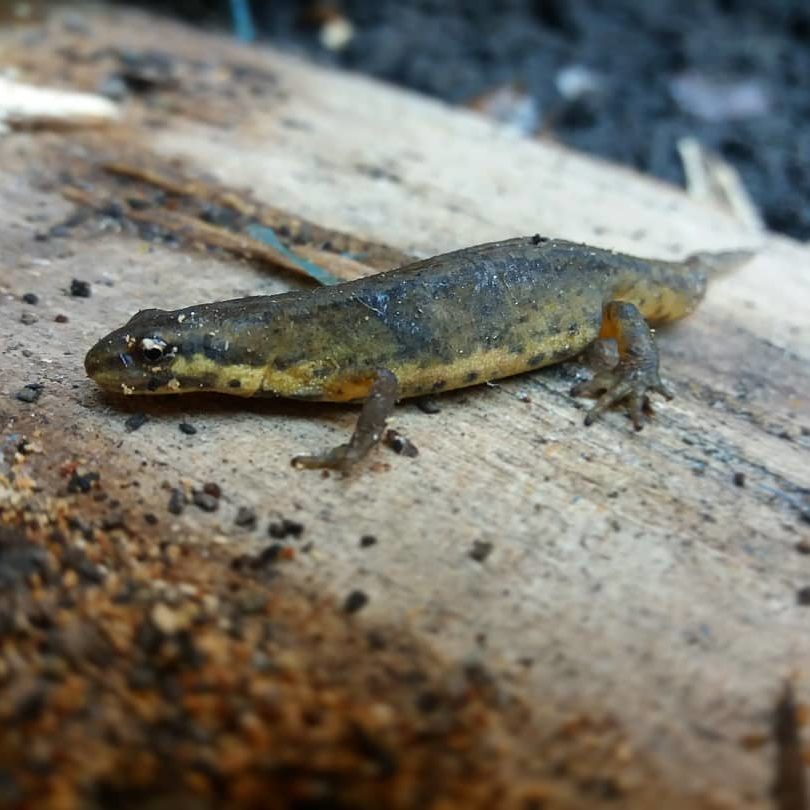
Newts are predators and happily feed on small live fish, earthworms, and crickets. They also readily eat frozen bloodworms. You can offer them pieces of lean fish and shrimp. Juveniles are fed daily, adults 2–3 times a week. Periodic vitamin supplements and calcium are recommended.
Newts occasionally shed their skin — and they then eat the shed skin.
Keeping them with fish is problematic, because fish prefer warmer water. During hibernation, the newt must be moved to a separate terrarium. In addition, the amphibian may eat small fish.
- Newts can fall ill from time to time. Diseases arise from infections, parasites, and fungi. The most dangerous is "red leg" disease, or sepsis.
- The main symptom is bleeding under the skin of the belly and upper limbs, which causes them to turn a bright red.
- A sick animal must be isolated immediately and treatment begun.
- The first step is to visit a veterinary clinic and have the animal tested.
Pleurodeles waltl (the Iberian ribbed newt)
 The Iberian ribbed newt is larger than Lissotriton vulgaris, reaching 23 cm in length, so it requires a bigger terrarium.
When keeping this species, it is important to note that pointed rib tips protrude from its flanks and can secrete a toxic substance.
The fluid causes an allergic reaction, so the animal should not be handled with bare hands.
Triturus cristatus (the great crested newt)
The great crested newt is a medium-sized amphibian, growing to about 18 cm.
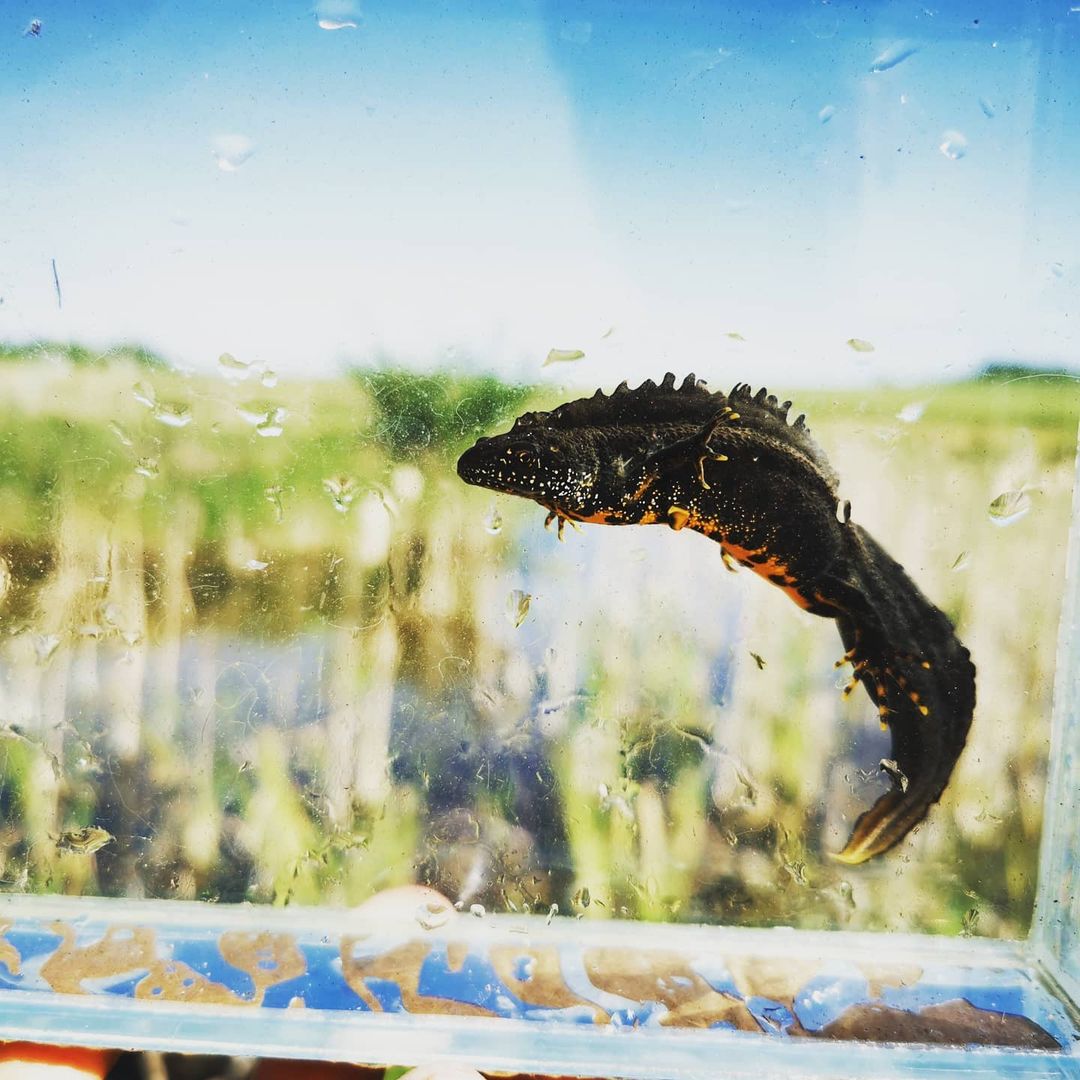
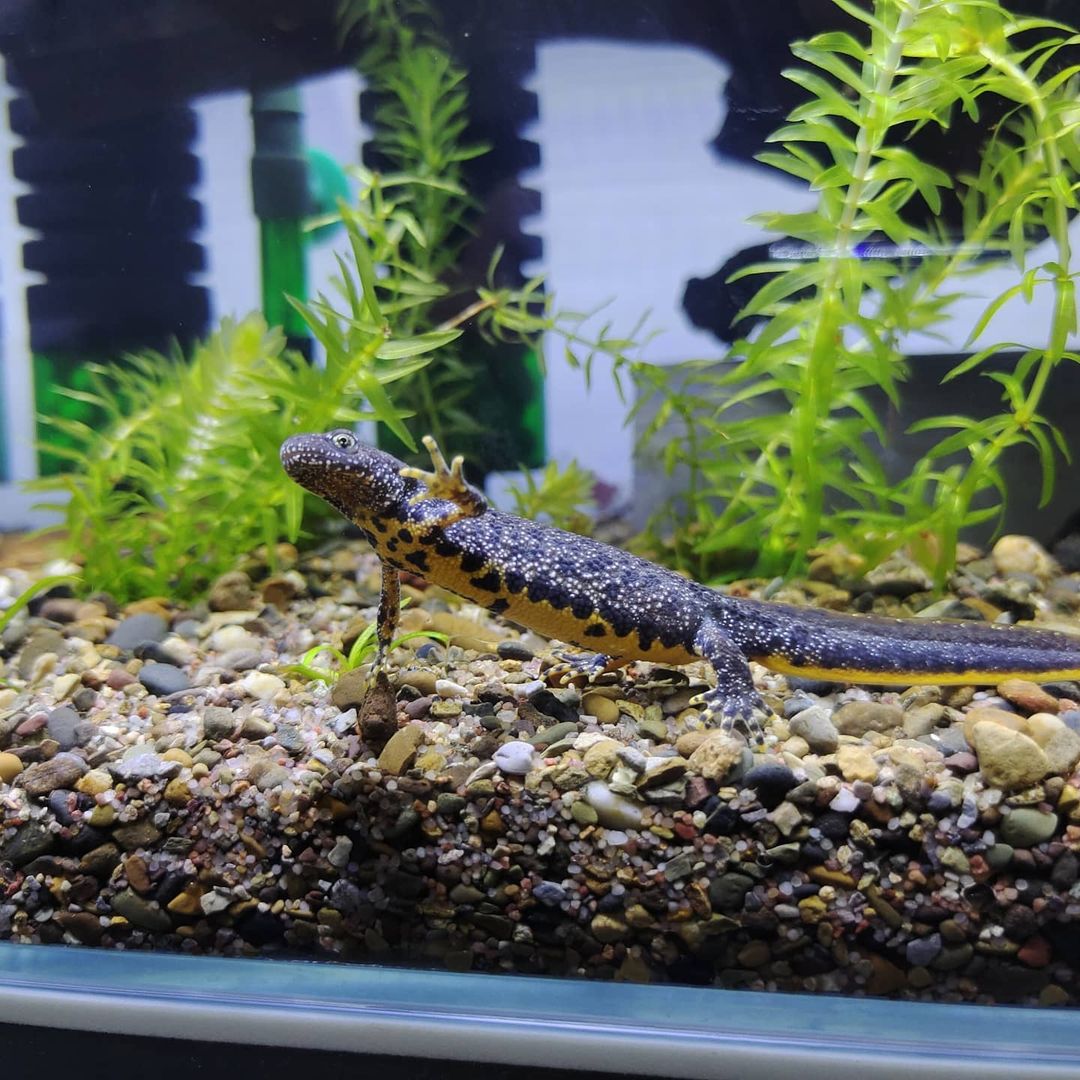
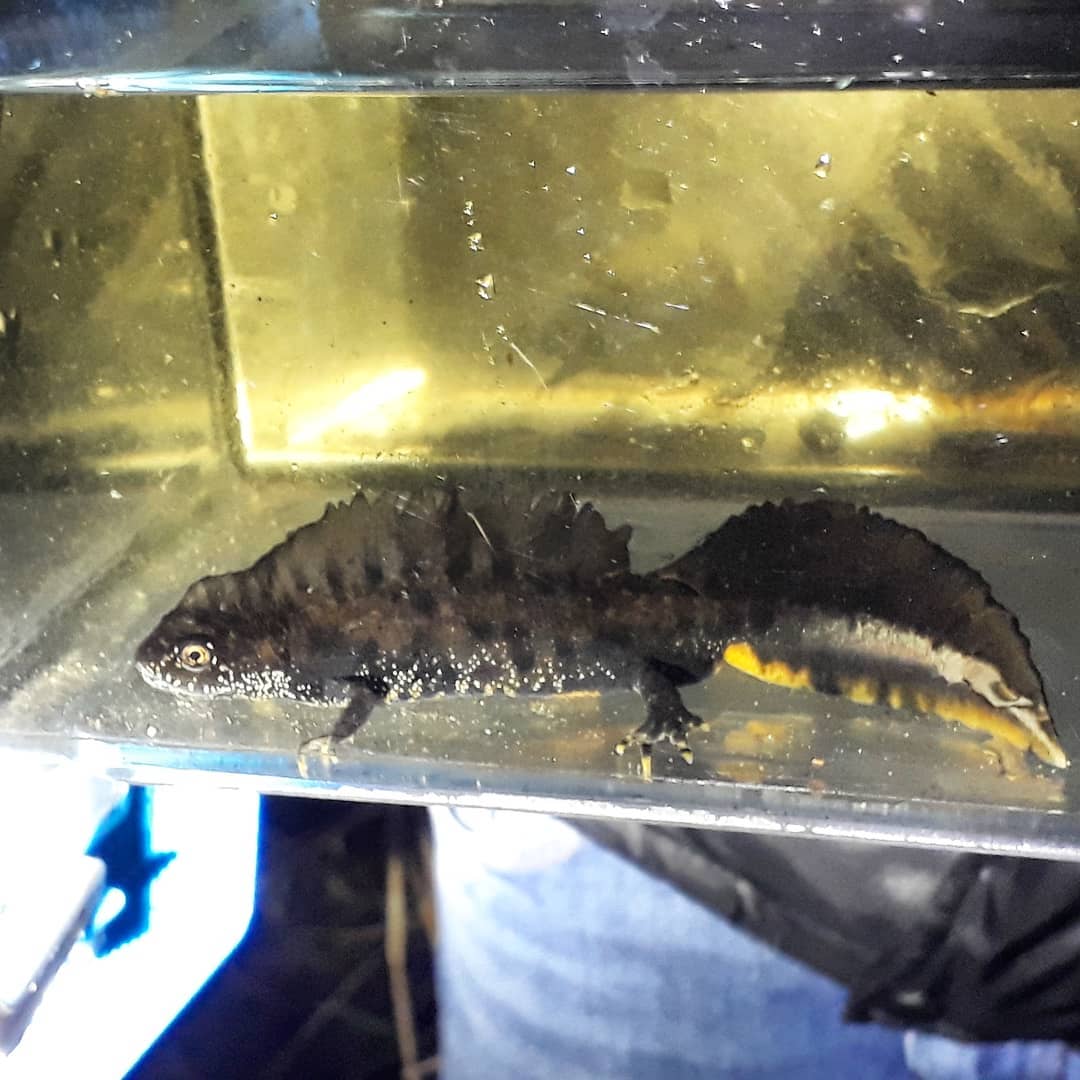
It has a discontinuous (broken) dorsal crest, and its skin contains venom glands.
Shrimp species for the home aquarium
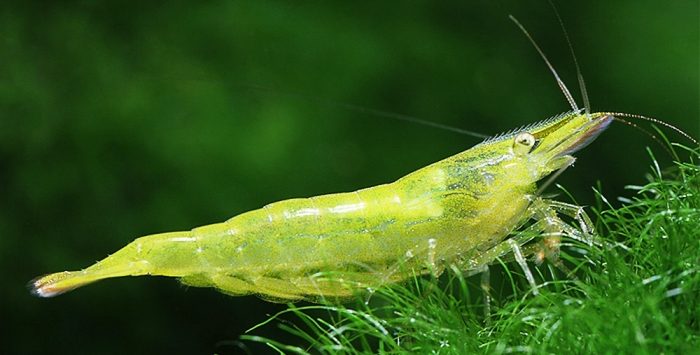
- The Babaulti shrimp is bright green. These freshwater crustaceans can change their body color to light brown or red, depending on their mood, diet, and living conditions.
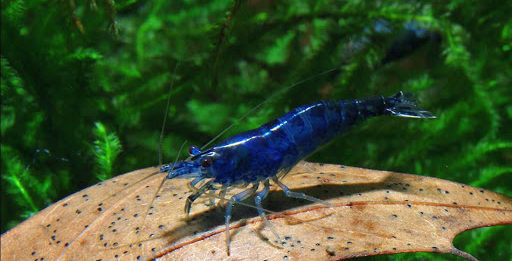
- Blue Dream shrimp do not require any special setup. The main requirements are ample vegetation, moss, and driftwood. It is a good idea to create a secluded spot for the shrimp and to add dry oak or beech leaves.

- The Cherry shrimp is a selectively bred variety. It spends a lot of time sitting still, so it is important to provide hiding places in the form of dense greenery. This is also where they take refuge after molting.
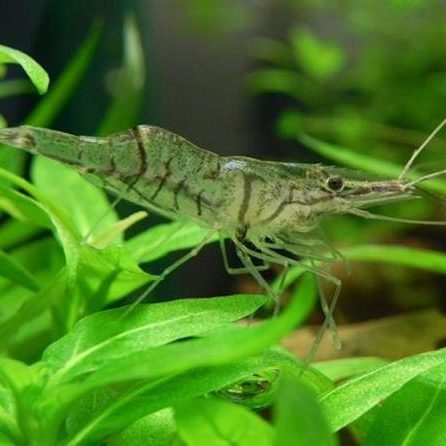
The Far Eastern shrimp (Palaemonetes sinensis) is a transparent crustacean with dark horizontal stripes along its body. Its color depends on the color of its food and the shade of the substrate. It reaches about 5 cm.
Some members of the genus Macrobrachium grow up to 15–20 cm long.
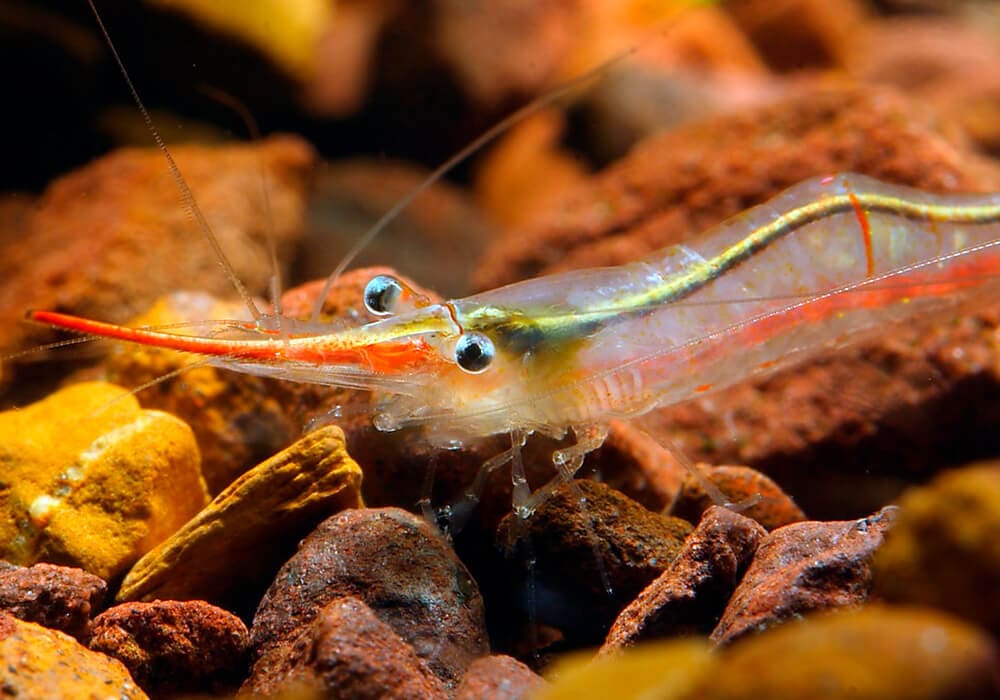
- The Pinocchio shrimp is a transparent crustacean with a long red rostrum — hence the name.
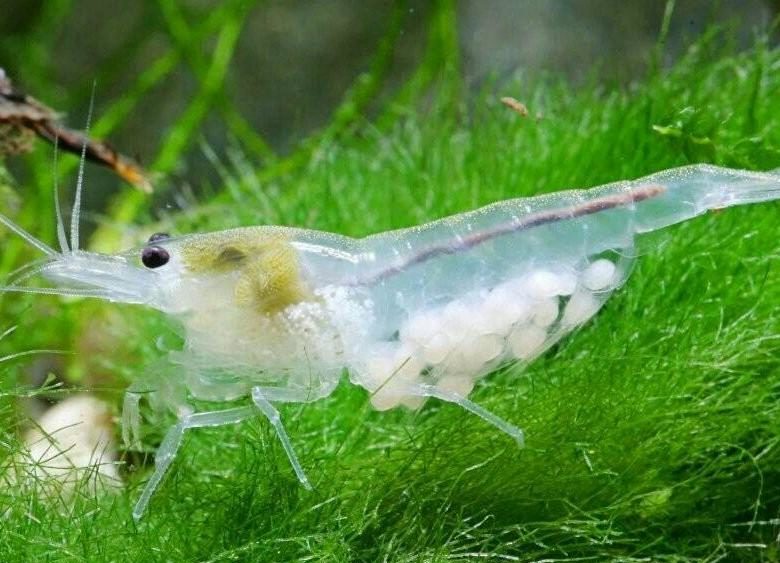
- The Snowflake shrimp is very small — just 2 to 2.5 cm long. Essential keeping conditions are filtration, aeration, and low levels of nitrogen compounds in the water.
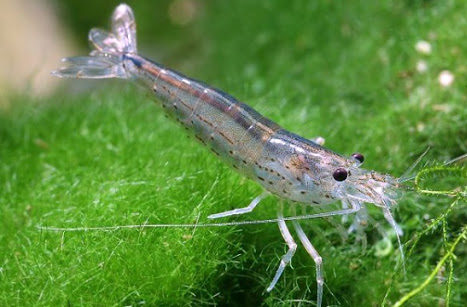
- The Glass shrimp grows up to 4 cm long and lives 1 to 1.5 years. This nearly invisible animal needs shelter, which can be provided by dense vegetation, stone piles, or driftwood.
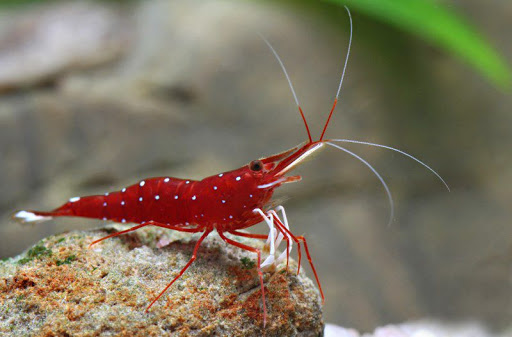
- The Cardinal shrimp has a body colored in shades of cherry and red, with white speckles on the sides. Its tank should contain plenty of aquarium plants, driftwood, and stones.
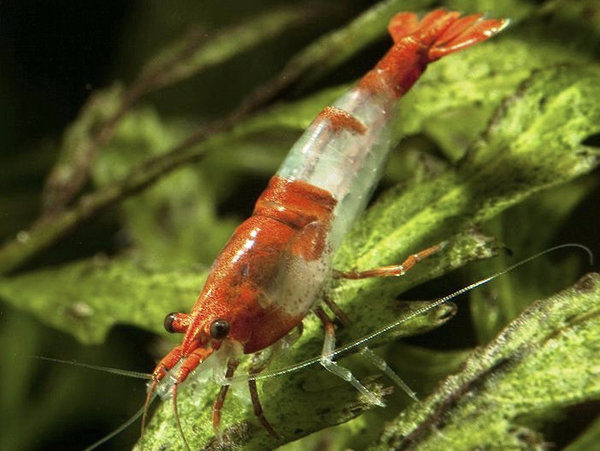
The Rili shrimp was bred by a Japanese breeder. Breeding requires an aquarium of up to 10 liters.
A suitable water temperature is +22 to +28 °C. These shrimp are best kept in groups of 10 or more.
The aquarium should provide hiding spots, such as mosses or dense vegetation.
Dwarf and larger crabs
In addition to fish, freshwater crabs can be kept in aquariums.
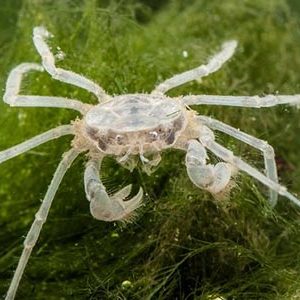
- The smallest is the dwarf spider crab (Limnopilos naiyanetri), which rarely even reaches 1.5 cm in length. Members of this species are harmless — they do not damage aquarium plants and do not fight with small fish or shrimp. They eat shrimp food.
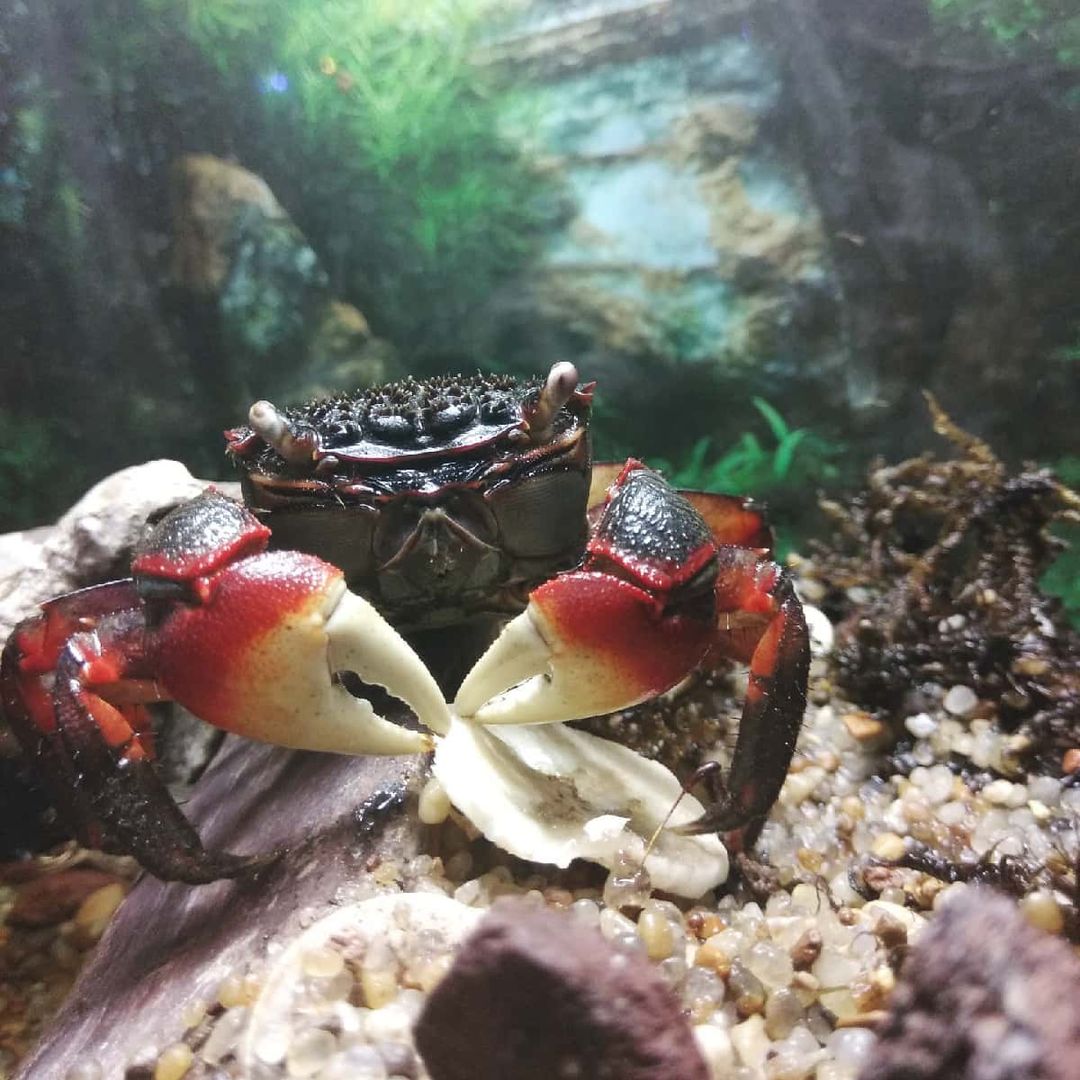
- The red mangrove crab often climbs out onto land, so a dedicated island must be provided in the tank. The enclosure must be sealed tightly to prevent escape.
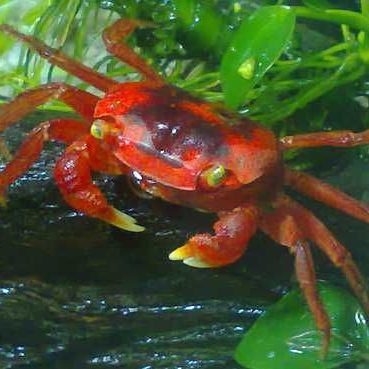
- A small tomato crab does well in a paludarium. This animal climbs freely along silicone seams and equipment cables, so the tank must be covered with glass or mesh.

- The blue crab is larger. Its care requirements are the same as those of the mangrove crab, but its diet is more vegetarian — it likes, for example, oak and almond leaves.

- The rainbow crab is the most unusual of the group. Its shell is blue, its legs are orange, and its underside is white with blue veins. In captivity it lives 7 to 10 years and eats fruit, vegetables, and meat.
Keeping one requires an enclosure of 60 × 45 × 45 cm and good-quality, slightly brackish water.
Keeping crayfish at home
A single crayfish can be housed in a 30–40 liter tank. If you plan to keep several, the minimum volume should be 80 liters. Shelters such as caves or upturned clay pots should be provided. Crayfish are cannibalistic, especially during molting, so there must be enough hiding places to go around.
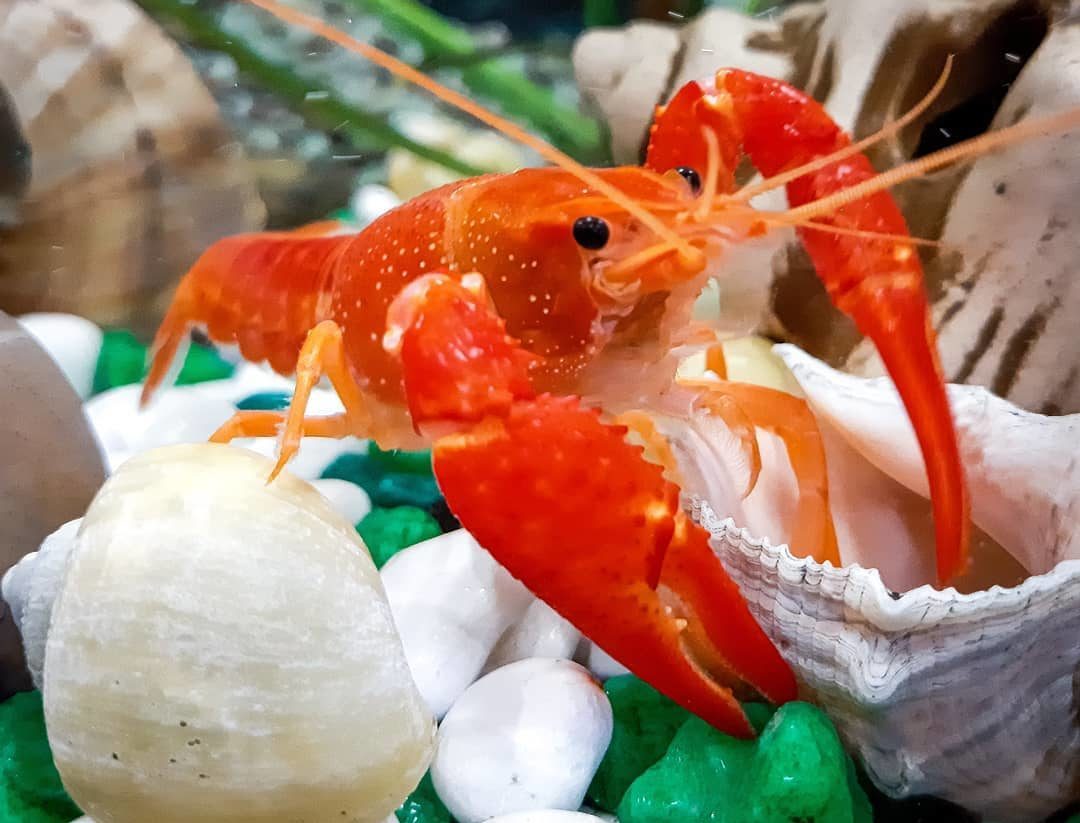 For water purification, an internal filter is preferable — crayfish can easily climb out along the hoses of external filters, and they do not survive long out of water. The aquarium must also be tightly covered.
Crayfish are fed specialized food. Once a week they can be treated to pieces of fish fillet and shrimp.
Frequent feeding of high-protein foods is inadvisable, as protein increases aggression.
Keeping crayfish with fish is not recommended, since the fish are likely to end up eaten.
Aquarium frogs
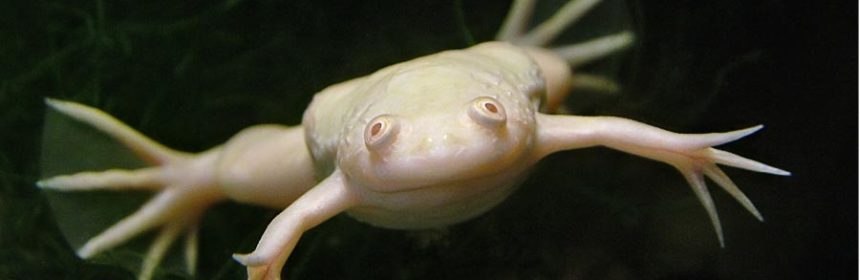
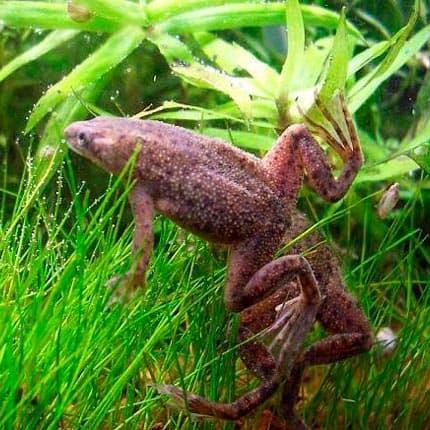
The albino African clawed frog (Xenopus laevis) is the most common species. A single frog needs a 10-liter tank. A suitable water temperature is +18 to +22 °C. Keeping them at 24–26 °C is tolerated but shortens the frog's lifespan. Their maximum body size is 8 cm, though some individuals can reach 16 cm.
Setting up the tank requires a powerful filter capable of handling the amount of waste the frogs produce. The filter should not create strong currents, because in the wild these animals live in stagnant water. The aquarium must be covered with a lid, leaving only a small gap for oxygen exchange.
Their diet consists of small bloodworms, planktonic crustaceans, earthworms, and lean meat. Frogs are prone to overeating, so the owner must control portion sizes. Feeding twice a week is enough.
Hymenochirus (the African dwarf frog) grows to only 4–6 cm. It has thin legs, a rounded body, and a pointed snout. One can be kept in a 5-liter tank with a filter.
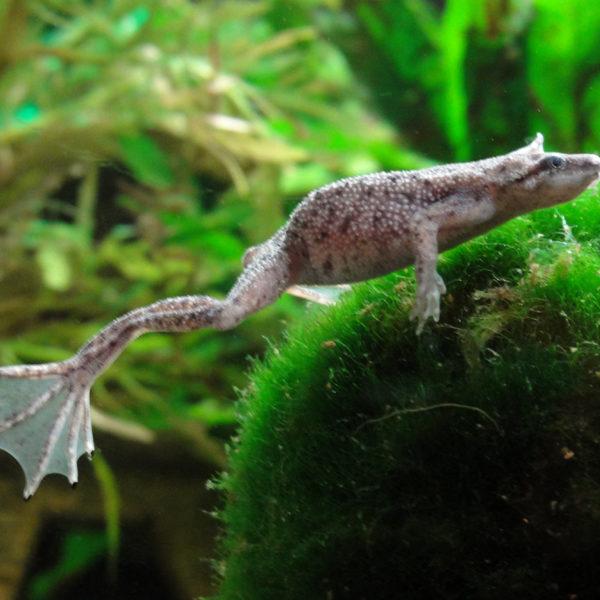
A comfortable water temperature is +24 to +26 °C. Feed it bloodworms, daphnia, and tubifex once every two days.
Keeping an octopus at home
The octopus is an intelligent, exotic animal. In captivity it grows to 20–25 cm across. This mollusk requires a tank of at least 350 liters with filters that not only clean the water but also keep its chemistry optimal.
Constant aeration is also essential. Octopuses are demanding about water quality. The bottom should be covered with coarse sand and coral rubble in a 7–9 cm layer.
The tank must include hiding places for the octopus. It must be covered with a lid or plastic grid. Lighting should be moderate or dim, and direct sunlight must be excluded entirely.

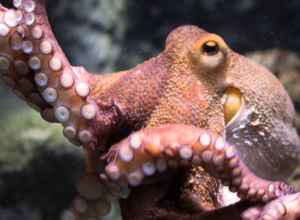

Octopuses recognize their owners. However, you should approach your pet quietly and slowly, to avoid startling it and triggering an ink release.
Otherwise the water will have to be changed. Under poor conditions the animal falls ill: its body lightens, it stops eating, and it retreats to its den.
Snail species
Snails are considered full-fledged aquarium inhabitants, just like fish, crayfish, and shrimp. Some species of these gastropods are beneficial, others are dangerous to plants or to their own kind, and many are neutral tank residents.
Yellow apple snails (Pomacea bridgesii)
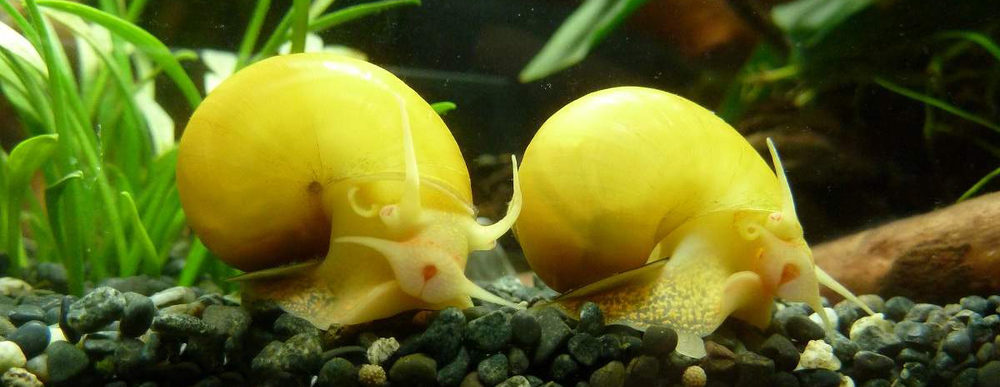
Apple snails do not require any special conditions. A snail 5–15 cm in size needs 9 liters of water. The aquarium should be spacious and covered, with enough air space above the waterline.
They coexist well with livebearing fish. Keeping them with predators that might eat them is not recommended. The snails themselves feed on fish food.
The female lays eggs on the aquarium walls, always at night. The offspring emerge after 25 days.
Apple snails live about 4 years, but a sharp rise in temperature cuts their lifespan down to a single year. For comfortable living, water temperature must be kept between +17 and +30 °C.
Thiaridae melanoides (the Malaysian trumpet snail)
 This species is quite popular. Trumpet snails often appear in an aquarium on their own, arriving with plants that carry their eggs.
A comfortable water temperature is +20 to +30 °C.
Adults do not exceed 3 cm in length. These snails live on the substrate, without disturbing their tank neighbors.
They feed on plants and on the waste of other tank inhabitants. A single egg clutch can contain up to 60 tiny snails.
The tiny Physa snail
Thanks to the peculiar structure of its shell, the Physa snail can reach the farthest corners of an aquarium. It is just 2 cm long. These gastropods breathe with lungs and can therefore survive out of water for a time.
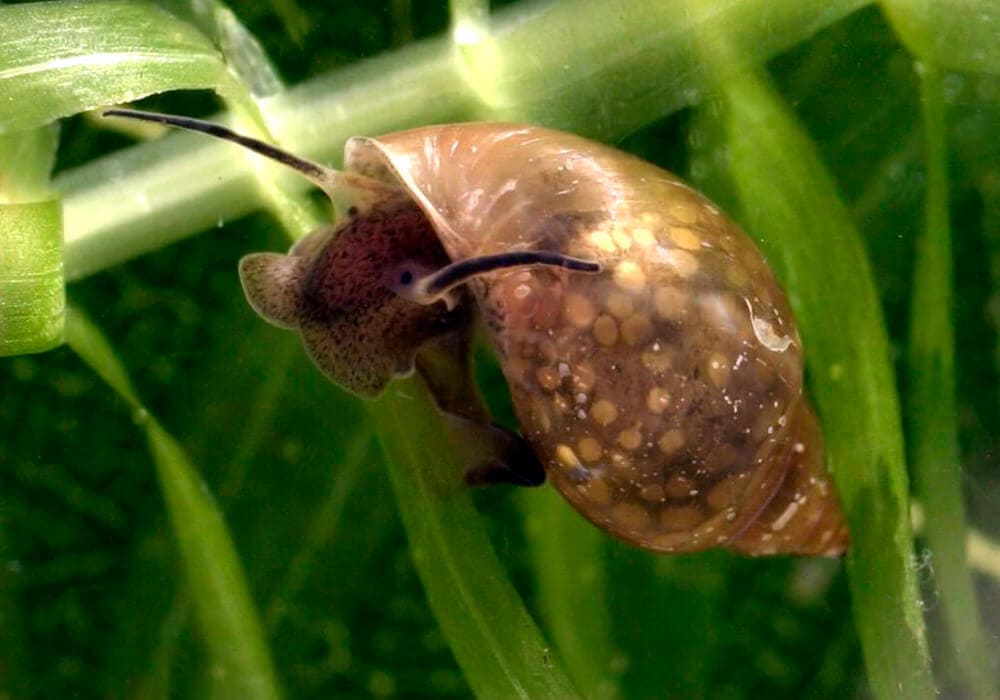
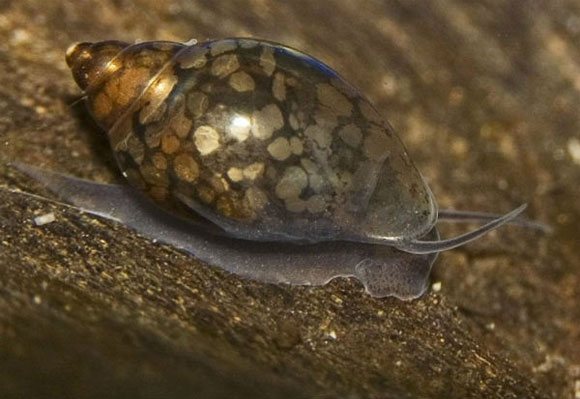
Physa snails enjoy the fresh leaves of live plants. The snail lays at least 20 eggs at a time on submerged objects. Physa cleans the aquarium of bacteria, debris, and food leftovers. The optimal water temperature is from +20 °C upward.
The predatory Assassin snail (Clea helena)
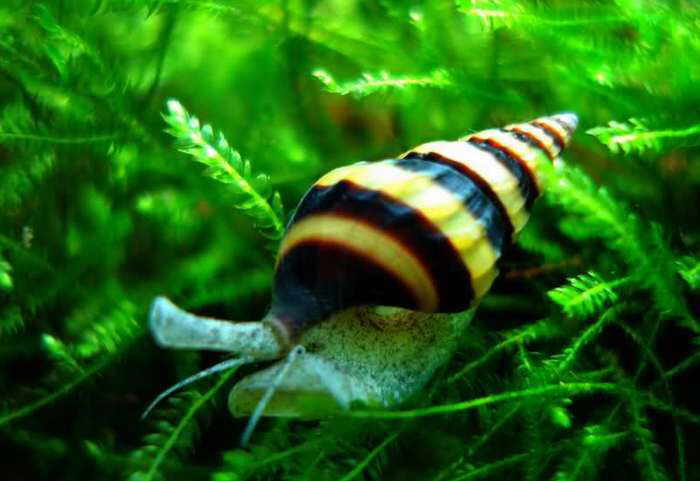 This gastropod is capable of preying not just on related species but on its own kind as well.
Assassin snails are introduced into the aquarium to control snail populations.
They burrow into the substrate, so the tank bottom should be covered with sand or fine gravel. If no other snails are available, the Assassin snail will feed on fish food.
This species has low fecundity: it lays only a single egg at a time, and only a minority of the hatchlings survive to adulthood.
Zebra and tiger snails
Nerite snails are freshwater snails and are the best algae eaters in the aquarium. The two most popular varieties are:
Nerites do not live long — about a year on average. Some die immediately after purchase because of the sudden change in conditions, while others can survive up to two years. If a snail dies, it must be removed from the tank immediately to prevent it from spoiling the water.
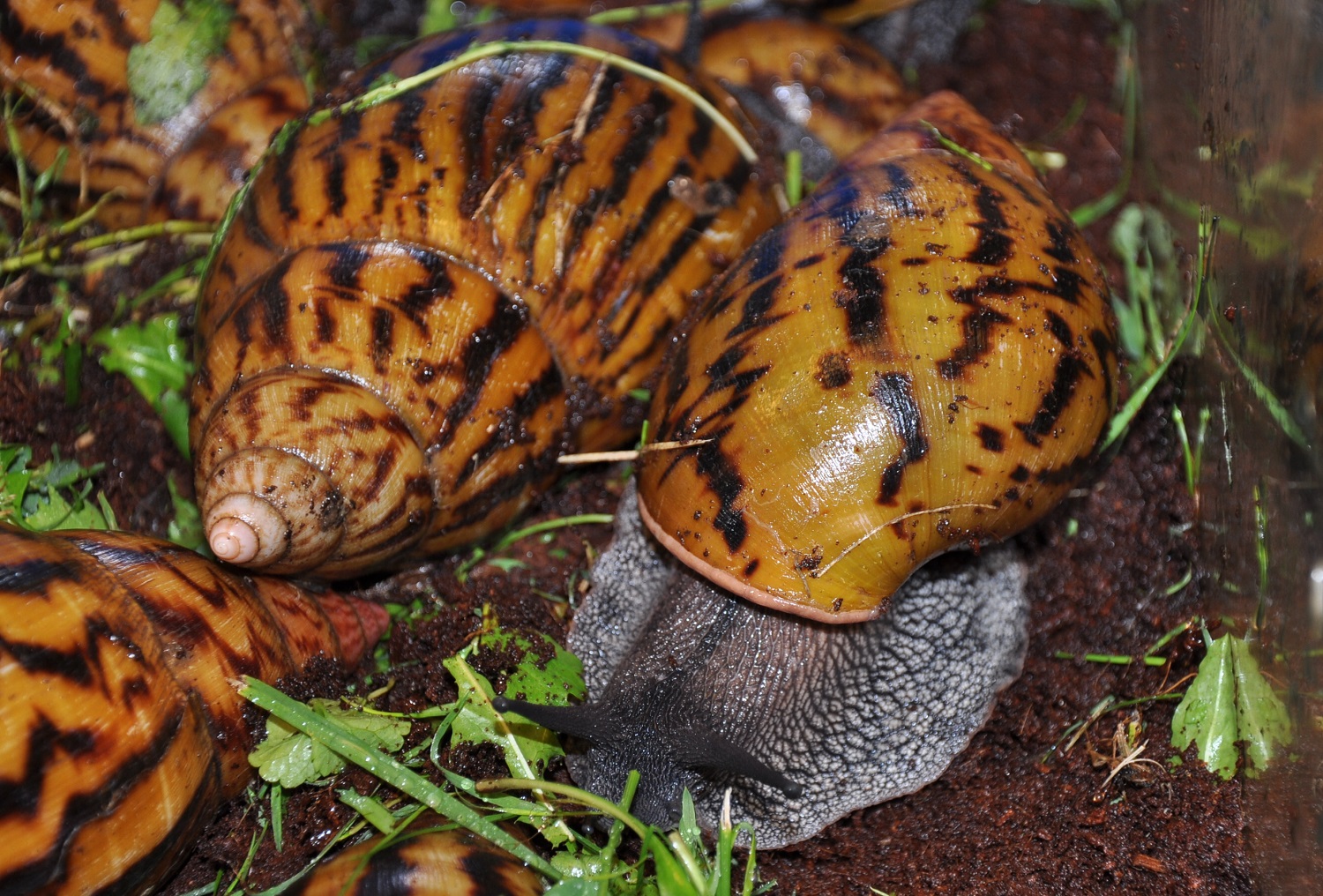 Nerite snails are undemanding when it comes to care and housing. They adapt to almost any water parameters — the key is to keep the temperature between +24 and +27 °C.
Snails should be introduced only into a fully cycled, well-planted aquarium. For the shell to form properly, the water must be hard.
Nerites are quite active, and they leave behind clean, algae-free surfaces wherever they go.
They do not damage plant leaves. They are active when feeding, and then may enter a torpor for several days. If you are unsure whether your pet is alive, sniff it — a dead snail gives off a clearly noticeable foul smell.
Other species
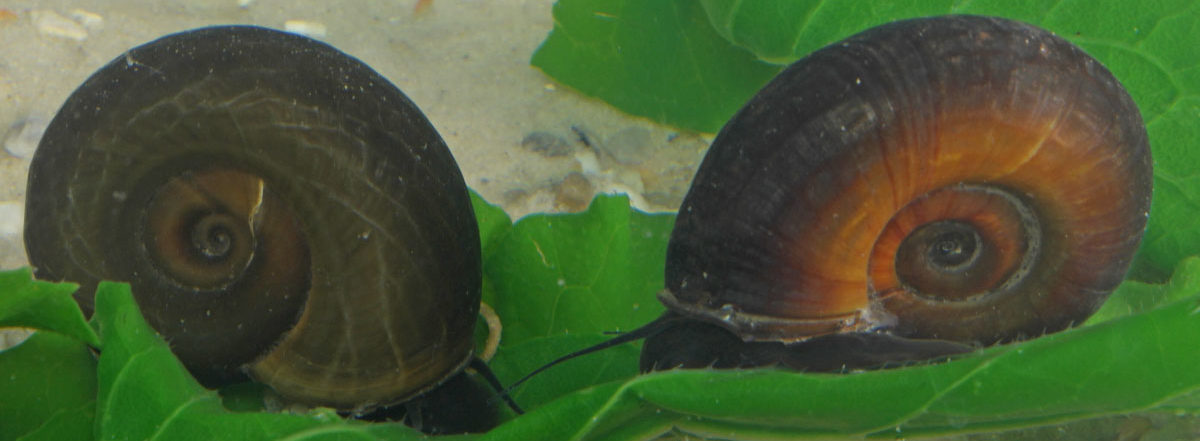
Ramshorn snails (Planorbarius) are a common aquarium mollusk. This small snail, just 3 cm long, breathes both in water and out of it. Harmless ramshorn snails feed on plants, food leftovers, and occasionally bacteria, cleaning their environment as they go. They lay their eggs on submerged objects, and the offspring hatch a month later.
Tylomelania are beautiful snails with unusually shaped shells. This mollusk grows up to 10 cm long and needs grottoes and hiding places away from bright light.
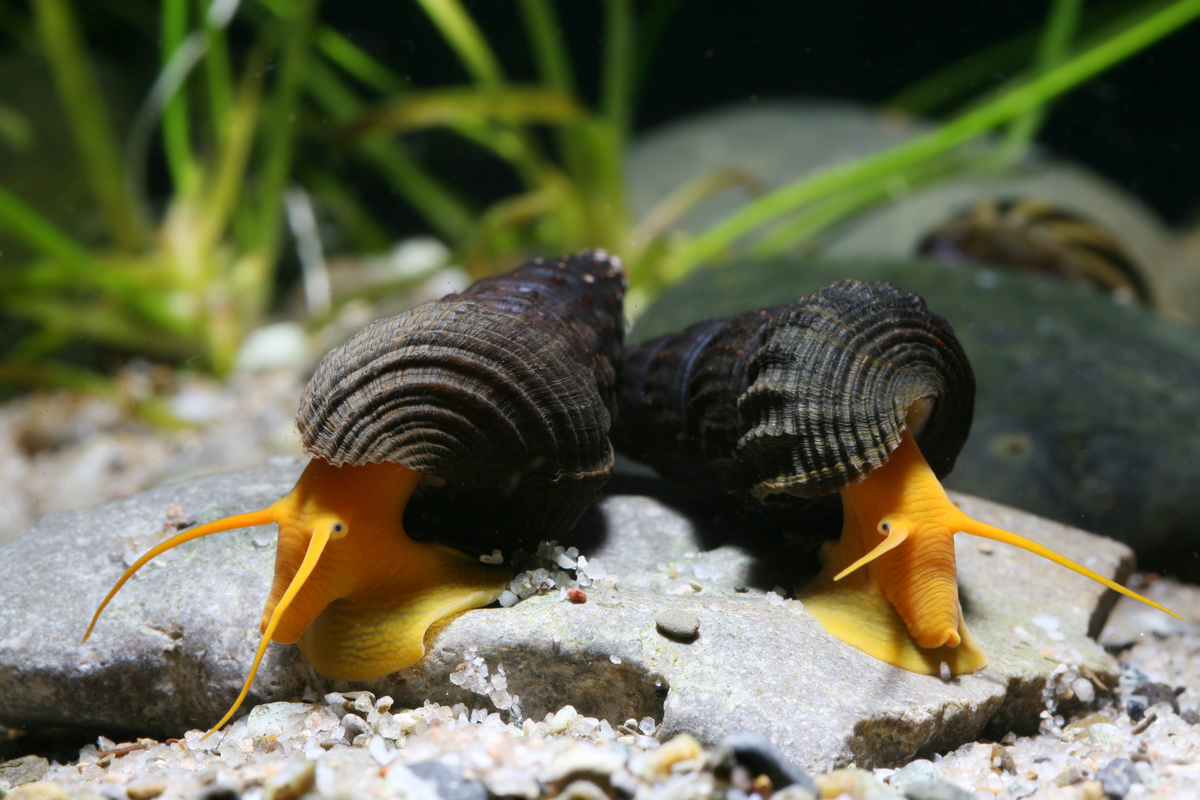
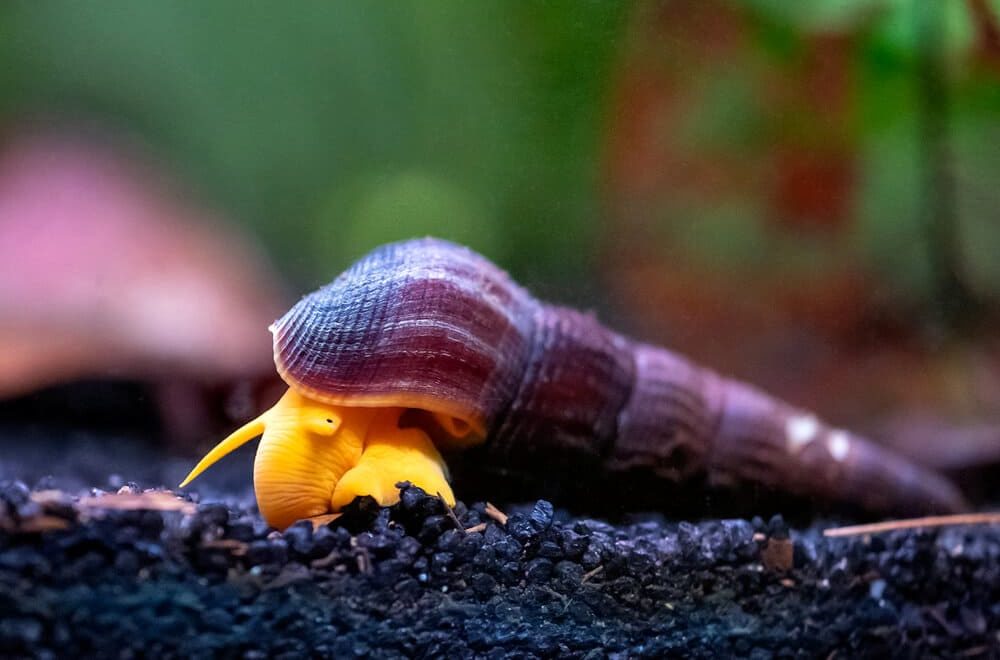
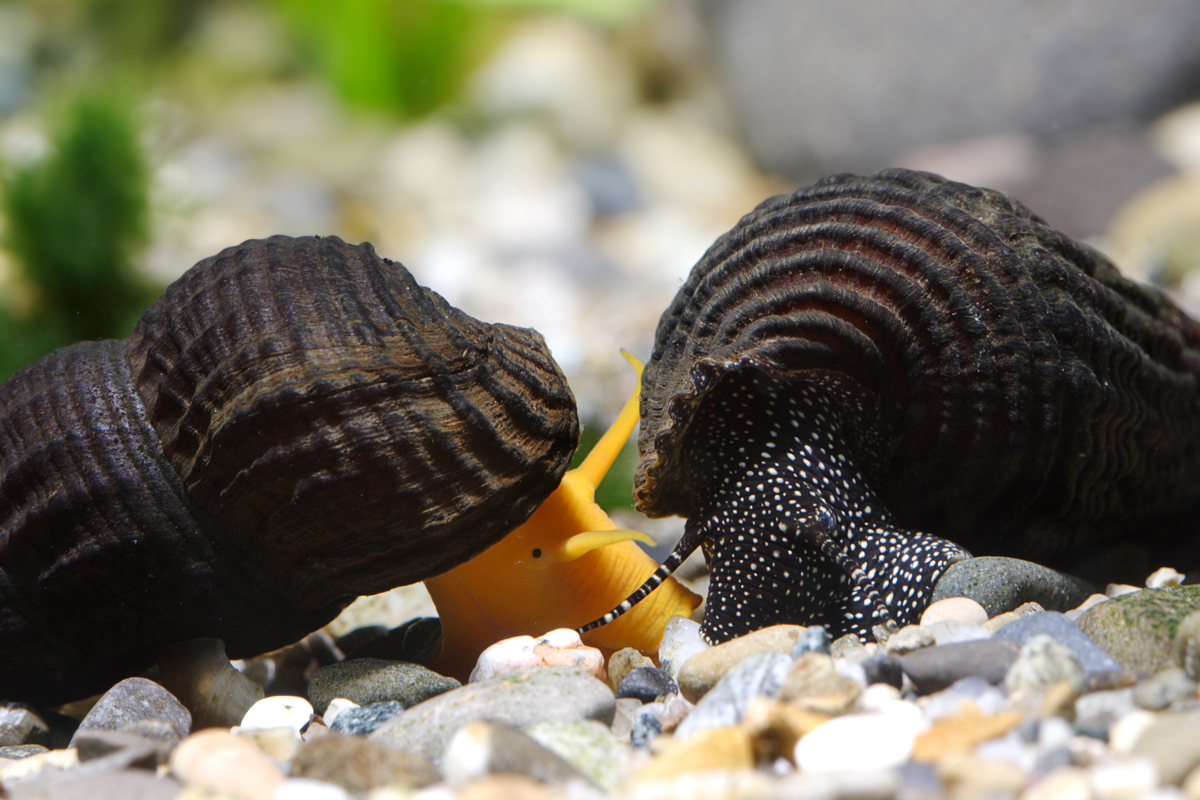
The aquarium should have plenty of free space — at least 15 liters per snail. Tylomelania like to be alone but can be housed with a small number of fish or crustaceans.
These mollusks eat anything, and a lot of it. When food runs short, they start damaging aquatic plants. Unlike most other snails, Tylomelania live in soft, warm water (+20 to +32 °C) with high acidity.
Aquatic turtles
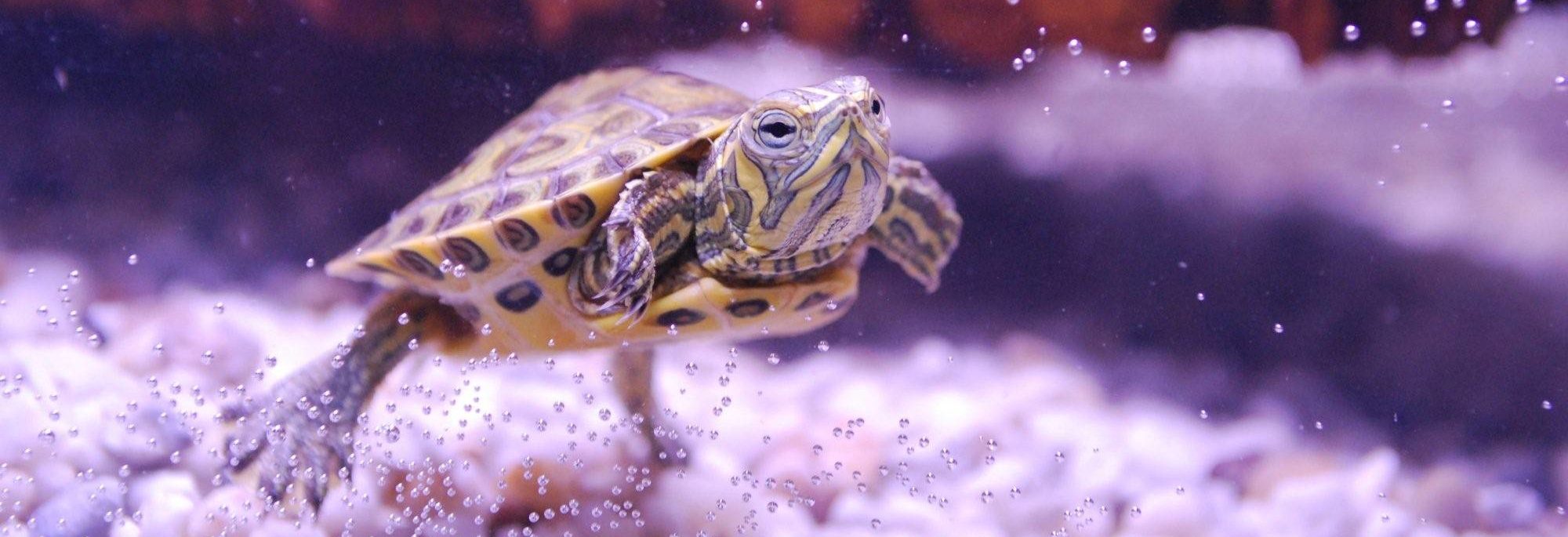
Aquatic turtles are chosen as pets because of how easy they are to care for. The advantages of keeping them include:
- Low maintenance. All the reptile needs is a properly set up aquaterrarium and timely feeding.
- Inexpensive feeding. An adult is fed only 2 to 4 times a week.
- A calm temperament. Turtles make no loud sounds.
- Long lifespan. These hardy animals can live 30 to 40 years.
Red-eared sliders
The average size of a red-eared slider is 25 to 30 cm. Exact dimensions depend on the keeping conditions. Males are always smaller than females. In captivity, turtles live almost twice as long as their wild relatives — up to 40 years. This reptile has a well-developed sense of smell and keen eyesight.
 They can distinguish colors both in water and on land. Turtles notice movement from up to 40 meters away.
A good sense of smell helps them locate food. Their hearing is poorly developed, and their shell is sensitive to touch thanks to the nerves running through it.
Red-eared sliders should be handled with care, as they may struggle, bite, and scratch.
This reptile is often a carrier of salmonella, so it must be kept away from kitchens and any place where food is prepared.
A single individual needs a 200-liter tank equipped with a water heater, a filter, a UV lamp, a thermometer, a light, and a basking area (an island). Large stones can be used as substrate.
Feeding should include specialized prepared foods, vegetables, aquarium plants, insects, fish, and invertebrates. Portion size must be controlled, as turtles are prone to overeating. Note also that the pet needs water to swallow, because it does not produce saliva.
Softshell turtle species
The Chinese softshell turtle (Pelodiscus sinensis) is an aquatic turtle up to 20 cm long. It has a soft leathery shell and an elongated, trunk-like snout.
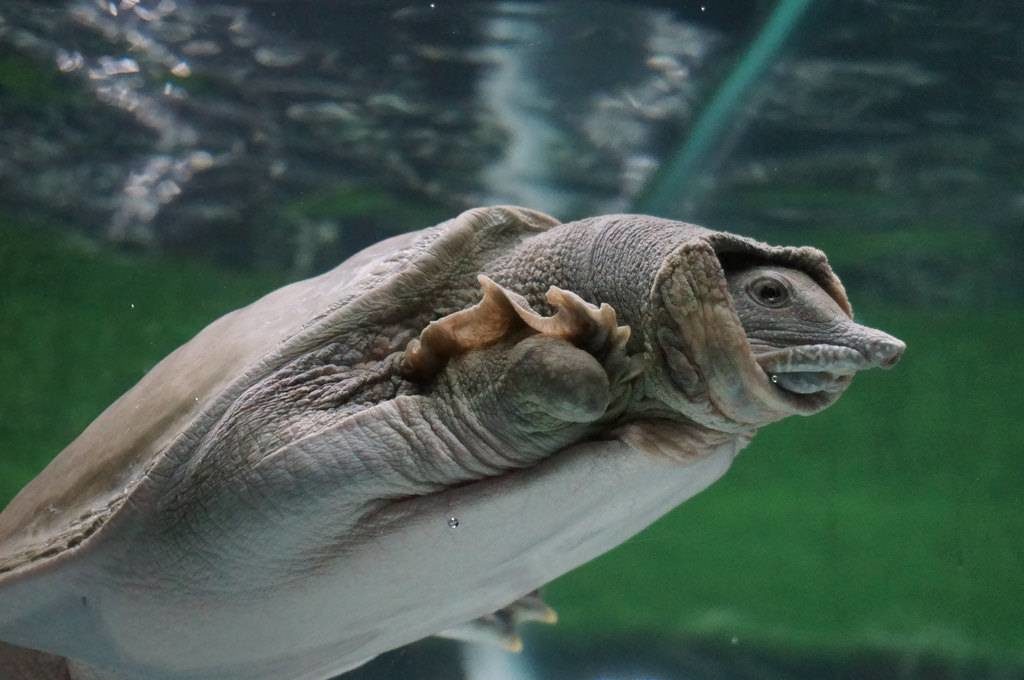
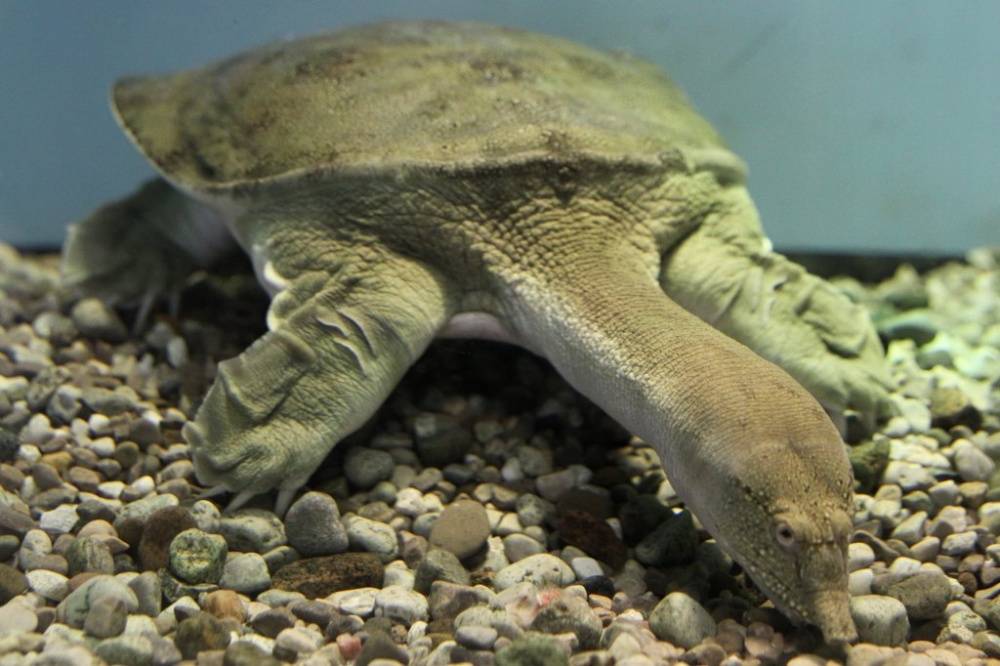
These three-toed turtles are quite agile and aggressive. They often injure handlers with the sharp plates on their jaws. For home keeping, a newly hatched specimen should be acquired.
The African softshell turtle (Trionyx triunguis) is a large turtle that reaches up to 90 cm in length. The young grow quickly, and the adults bite. Keeping this animal at home is not recommended.
Unusual aquarium fish
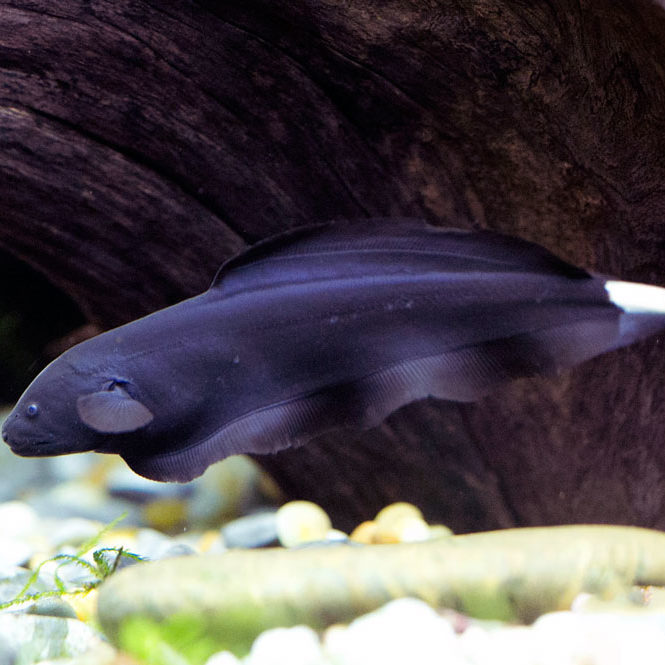
- The black ghost knifefish (Apteronotus albifrons) is one of the most unusual fish species. In captivity it grows up to 50 cm, so it needs a spacious aquarium. It has almost no fins and does not rely on sight. Instead, it generates a weak electric field around itself, which it uses to locate food. It feeds on bloodworms and mussels.
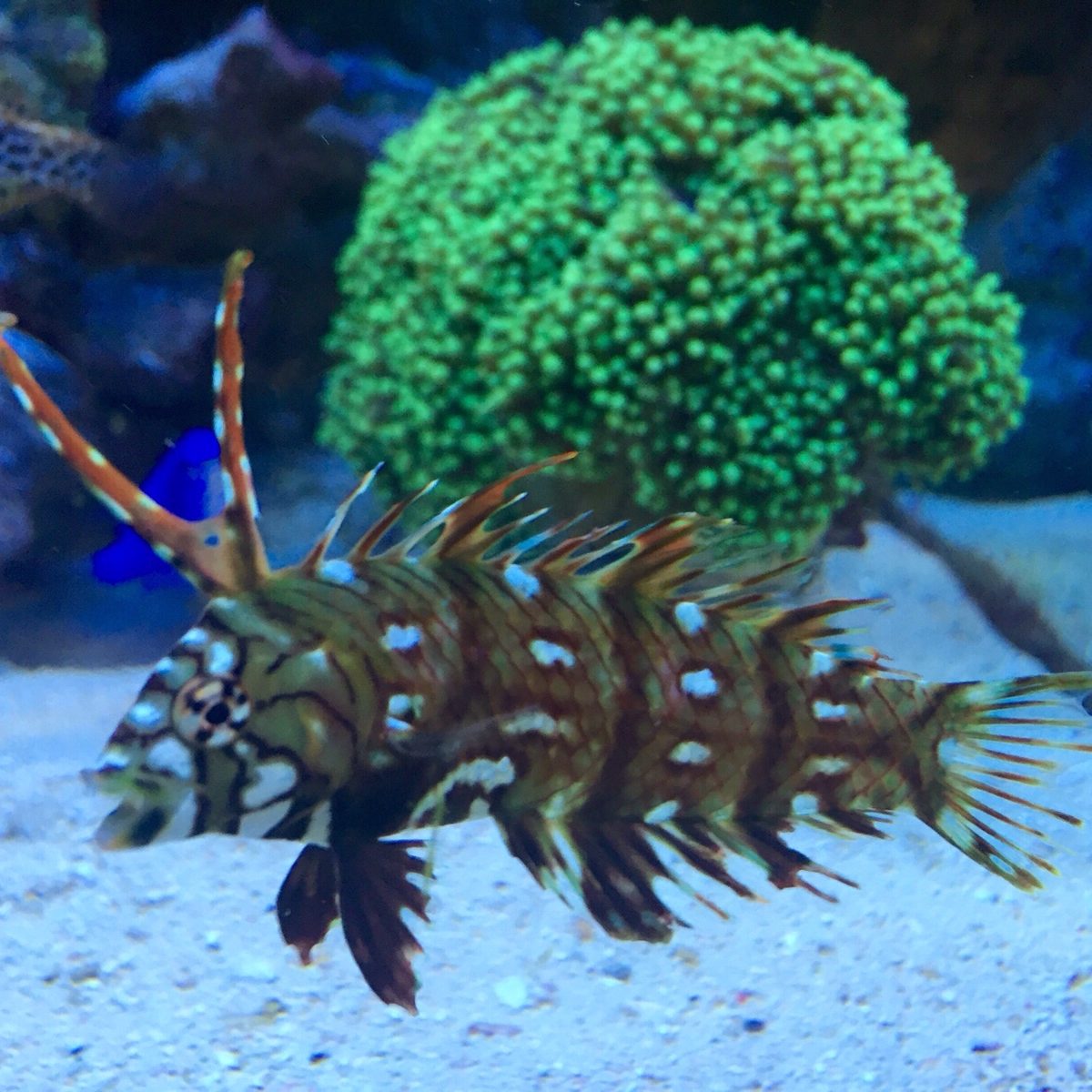
- The dragon wrasse is an exotic fish with an aggressive temperament. It is active only during the day; at night it buries itself in the sand or lies motionless. A juvenile needs 250 liters of water volume; an adult, 500 liters or more. It feeds on the flesh of marine fish, squid, and mussels, and must be fed three times a day.
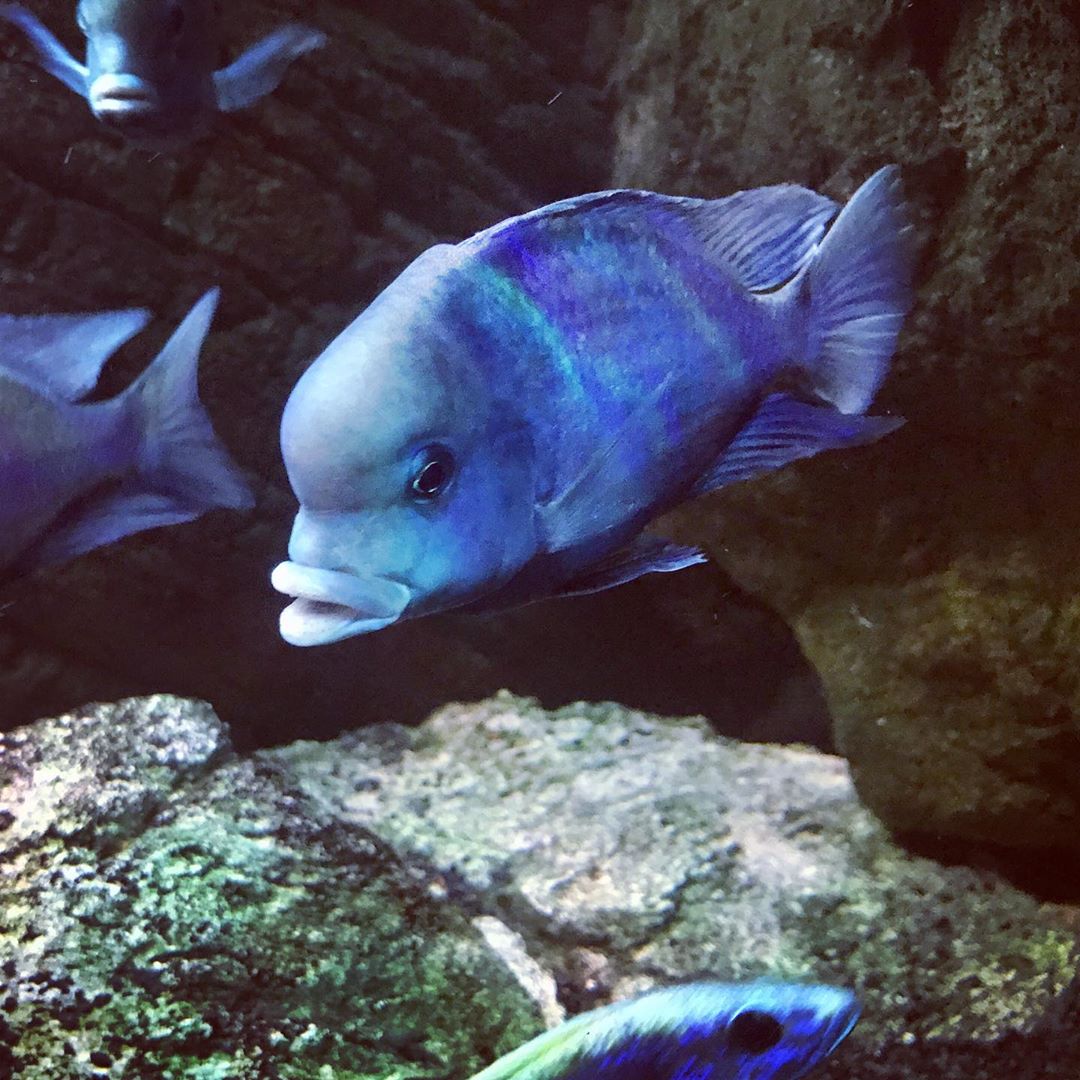
- The blue dolphin cichlid (Cyrtocara moorii) is a calm aquarium inhabitant that grows up to 25 cm in length. This fish needs a tank of 400 liters or more. Meaty foods should be given in small portions up to five times a day.
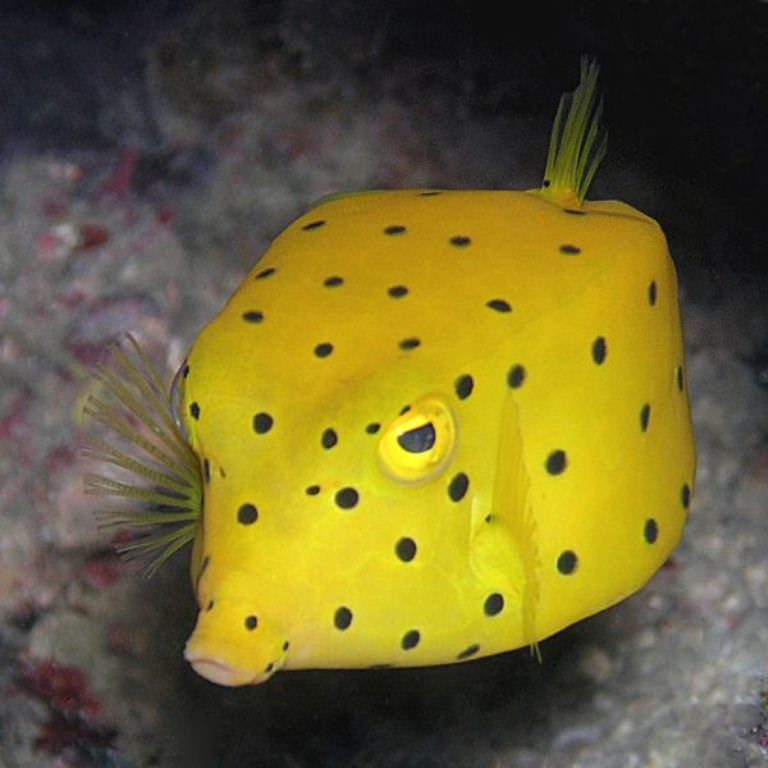
- The boxfish has a cube-shaped body and grows up to 45 cm long. In the wild it feeds on algae and small crustaceans, so its captive diet can be mixed.
Tips for choosing the perfect pet
The following recommendations will help you avoid making a mistake when choosing an aquarium inhabitant:
- Since unusual animals have particular keeping and care requirements, the decision to get one should be thoroughly considered. Weigh it from every angle: what equipment is needed to give the new animal comfortable conditions, and whether it is possible to create the conditions needed for a full life, proper feeding, and reproduction.
- Research all the risks of keeping the pet in question, including the diseases it is prone to.
- It is also worth observing your chosen animal in the store for some time, to see how it behaves around other aquarium creatures, or on its own.
Pet-store staff can also be consulted about the new pet, but the best approach is to first gather information from impartial sources — for example, from breeders on specialist forums.
Names of the inhabitants of the aquarium:: Black pacu (Colossoma brachypomum), Red-tailed catfish or fractocephalus (Phractocephalus hemioliopterus), Pangasius Pangasius hypophthalmus, Axlotl (Axolotl), Pterygoplicht brocade (Pterygoplichthys gibbiceps), Astronotus ocellatus, African cichlids, Sharkfish (Balantiocheilus melanopterus), Discus (Symphysodon aequifasciatus, S. heckel and S. haraldi) as well as crayfish, crabs, shrimp, frogs, turtles, octopuses, snails, newts.
Fish comet, ancistrus, corydoras, swordtail, clownfish, Sumatran barb, zebrafish, danio rerio, macropod, tetra and others
Guppies, mollies, swordtails, neon, zebrafish.
Guppies, mollies, swordtails, platies, Ameca glossata, gambusia, girardinus, Iliodon xanthus, Limia blackstripes, formosa, dermogenis dwarf.
Sac-branch catfish and clarius. And the same macropod, loach and labyrinth species are able to swallow air from the surface.


Spelling error report
The following text will be sent to our editors: